Wishlist
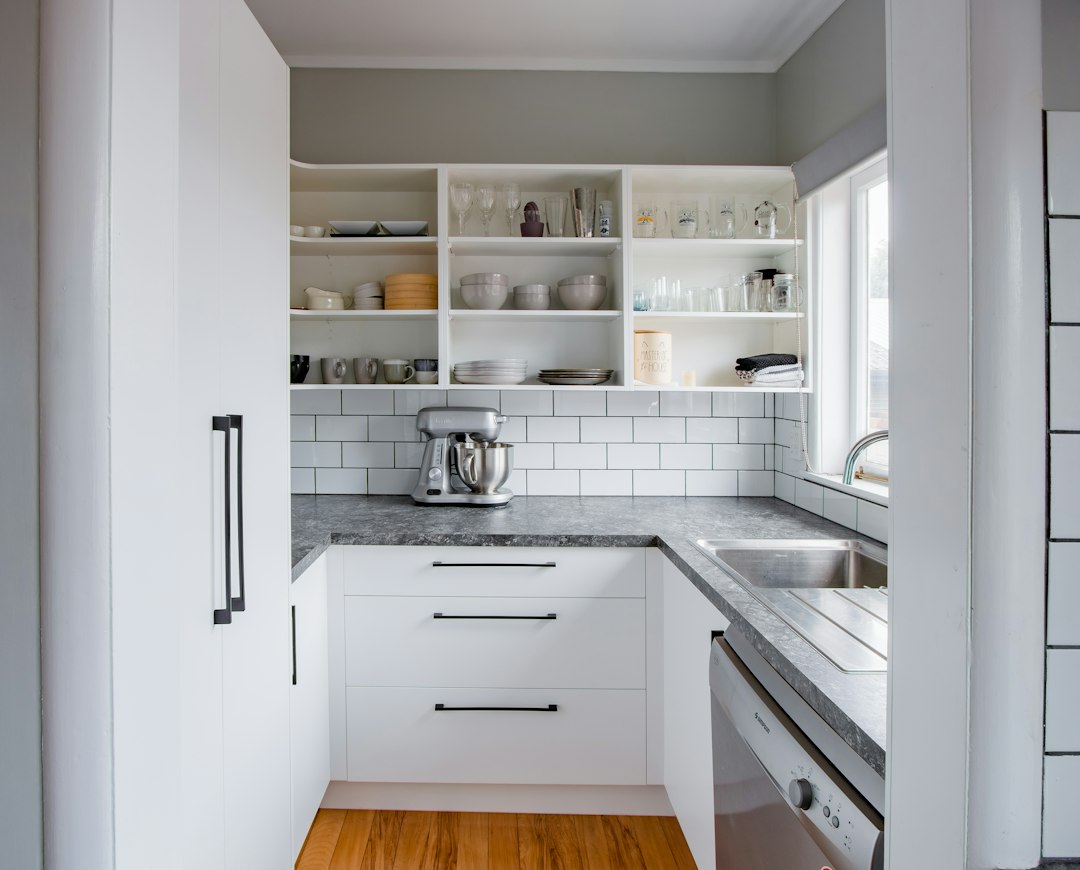
Get more space quickly: pick just a few targeted solutions that suit your layout
Use practical kitchen storage ideas to free counter and cabinet room by adding vertical layers, reclaiming wasted door and corner space, and swapping bulky single-use containers for stackable or pull-out systems. The fastest wins are shelf risers, magnetic strips, and a good under-sink pull-out; deeper changes include corner carousels and dedicated appliance parking.
1. Add shelf risers to create two usable layers
Shelf risers turn tall cabinet gaps into extra storage for plates, mugs or pantry cans. Use clear or bamboo risers so small items stay visible. Reserve risers for static supplies—avoid overfilling where items must move frequently.
2. Use vertical dividers for baking trays, cutting boards and lids
Thin vertical slots make it easy to slide trays, cutting boards and pot lids in and out without stacking them flat. Install adjustable dividers in deep cabinets or on the pantry side wall to keep each item accessible.
3. Mount a magnetic knife strip and magnetic spice jars
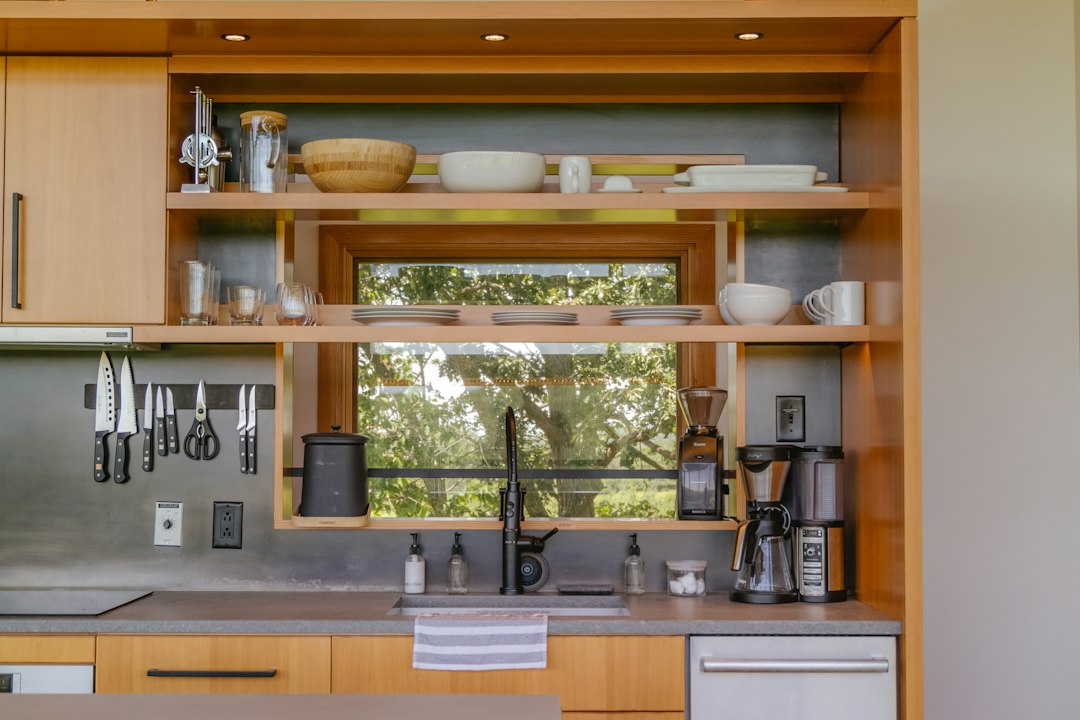
Free counter drawer space by mounting a magnetic knife strip on a backsplash or inside a cabinet door. For spices, magnetic jars on the fridge or a metal backsplash clear shelf space and make labels easy to read.
4. Put organizers on the inside of cabinet doors
Door-mounted racks are ideal for spices, wraps, cutting boards and small lids. They use otherwise wasted space and keep frequently used items within reach. Choose shallow racks to avoid hitting the cabinet frame when closed.
5. Install a pull-out under-sink organizer
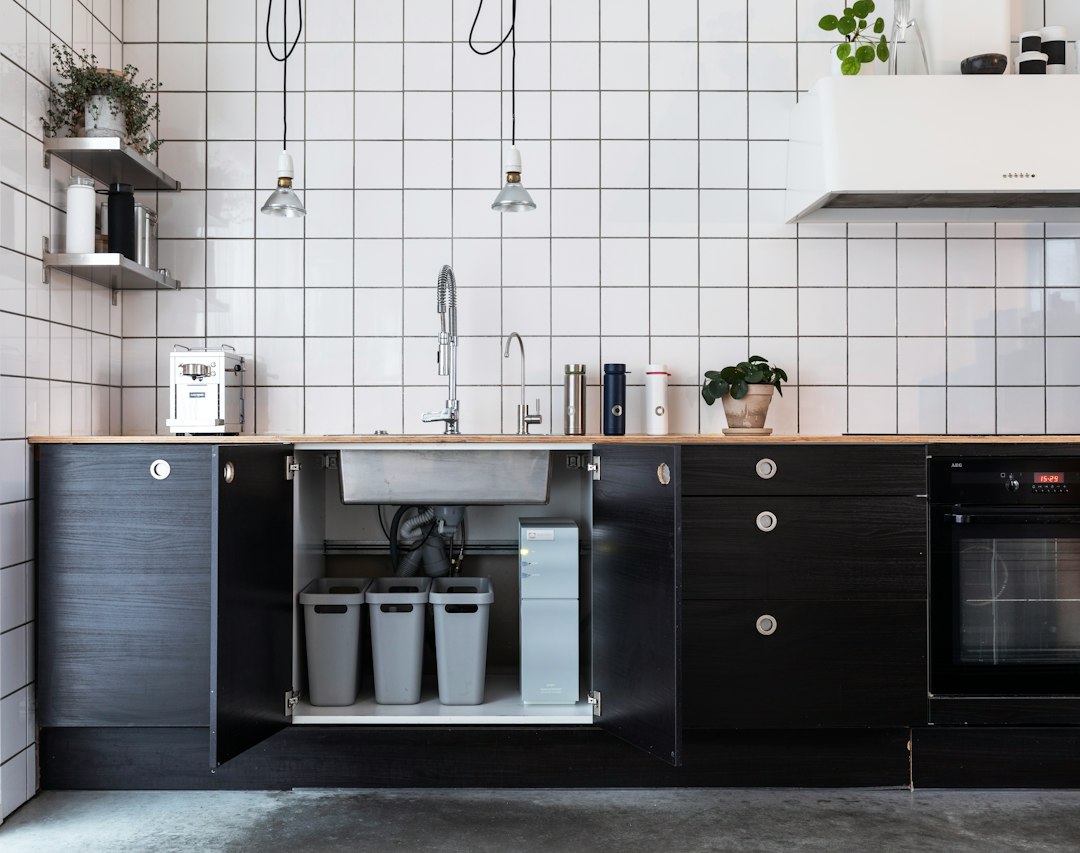
The area under the sink is often the least accessible. A pull-out organizer lets you use the full depth without crouching and sorting. Look for models with adjustable dividers to separate cleaning products from trash bags and brushes.
6. Turn corner cabinets into usable niches with a carousel or tiered shelf
Lazy Susans and tiered corner shelves keep items visible instead of buried. For awkward blind corners, a half-moon carousel mounted on a pole gives easier access. Choose sturdy materials—plastic models can sag with heavy cookware.
7. Stackable clear containers for pantry staples
Swap bulky boxes for uniform, stackable clear containers. They compress irregular shapes, make quantities visible, and stack safely to the ceiling. Label lids and fronts with contents and dates to avoid expired items getting pushed back.
8. Create appliance storage that frees the countertop
Rather than leaving toasters or mixers out, designate an appliance garage (a roll-up door cabinet) or a pantry shelf with enough clearance to keep them plugged in if you use them frequently. If you use a device only occasionally, store it on a high shelf or in a deep lower cabinet.
9. Use tension rods and hooks for vertical hanging
Tension rods inside cabinets or along backsplash edges hold spray bottles, squeegees or small hanging baskets. Adhesive or screw-in hooks under cabinets can suspend mugs, frequently used utensils, or measuring cups—keep weight capacity in mind.
10. Create a lid and pan organization zone
Messy lid piles waste time and space. Install a horizontal lid rack, a vertical pan divider, or a slim wall-mounted holder inside a cabinet to keep lids matched with pans. Group baking sheets and cooling racks on a vertical divider near the oven.
11. Use over-the-door and hanging pantry racks
An over-the-door pantry rack expands small pantry capacity for snacks, condiments and small bottles. For rental kitchens, choose tension-mounted or over-the-door options that don’t require drilling. Balance by weight: reserve heavier cans for fixed shelves.
12. Choose narrow rolling carts or pull-out shelves for gaps
Small gaps between appliances or cabinets are perfect for a skinny rolling cart or slide-out shelf. These store oils, spices, or baking tools and pull out when you need them. Measure first—the cart must clear doors and drawers when extended.
For a simple, high-impact cabinet add, an adjustable bamboo cabinet organizer transforms a cluttered shelf into layered storage for jars and cans. It’s unobtrusive, eco-friendly, and works in open shelving or closed cabinets.
- Measure cabinet depths, heights and gap widths before buying organizers.
- Prioritize items you use daily and give them the easiest access.
- Mix vertical solutions (dividers, risers) with pull-outs for deep storage.
- Avoid overloading adhesive solutions—check weight ratings on hooks and racks.
- Keep clear containers labeled and rotate staples to prevent waste.
A few targeted organizers often deliver more usable space than a full remodel. Focus on vertical layers, door and under-sink pull-outs, and matching containers to your busiest tasks. Make one change per week and you’ll see a measurable difference without chaos.
Which kitchen storage idea saves the most counter space quickly?
Install shelf risers and a magnetic knife strip; both free visible counter area in an afternoon with minimal tools.
Are adhesive hooks and racks reliable for heavy items?
Adhesive options work well for light items like towels or spatulas, but use screw-mounted hardware for heavy pots, pans, or loaded racks.
How do I organize a deep pantry so nothing gets lost?
Use clear stackable containers, tiered shelves for cans, and sliding baskets for small snacks—group like items and label shelves for consistency.
What’s the best solution for awkward corner cabinets?
Install a Lazy Susan or a half-moon carousel; for deep blind corners, a pull-out corner system or rotating shelf makes items accessible without rearranging.