Wishlist
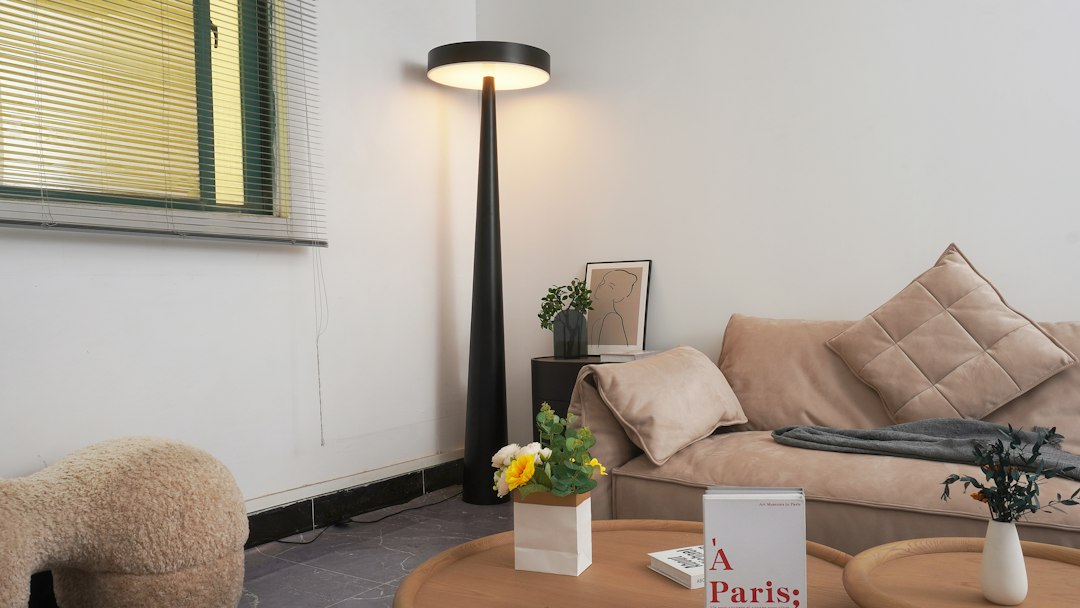
When the room looks fine by day but awkward at night
You come home after work, flip the single ceiling light on and the living room looks flat, the kitchen counters are shadowed, and the bedroom feels harsh. Choosing the right lighting for every room fixes those everyday fails—so rooms feel comfortable, function well, and make tasks easier. The fastest way to get there is to focus on three things that actually change how a space works: purpose, brightness (lumens), and color temperature.
Start with purpose: ambient, task, and accent lighting
Every good lighting plan uses three layers:
- Ambient—general illumination for movement and overall visibility (ceiling fixtures, recessed lights).
- Task—directed light for activities like cooking, reading, grooming (under-cabinet lights, desk lamps, vanity lights).
- Accent—decorative or focal lighting to highlight art, architectural details or create mood (track lights, wall sconces, picture lights).
Before buying, list what you actually do in the space and map one dominant task per area: cooking at counters, reading on the sofa, makeup at the bathroom sink. That tells you where task light must be brightest and where ambient can be softer.
Brightness that makes sense: use lumens, not watts
Modern bulbs should be chosen by lumens (light output) instead of watts. As a quick guide:
- Living room: 1,500–3,000 lumens total, layered across fixtures.
- Kitchen: 3,000–6,000 lumens total; 300–700 lumens for under-cabinet task lights.
- Bedroom: 1,500–3,000 lumens total, with bedside task lights at 400–800 lumens.
- Bathroom vanity: 2,000–4,000 lumens, evenly split across both sides of the mirror.
- Hallways/entry: 400–1,000 lumens depending on size.
Spread the lumens across fixtures rather than relying on one powerful lamp—this reduces glare and gives flexibility.
Choose color temperature for each room’s function
Color temperature, measured in Kelvins (K), affects mood and visual clarity:
- Warm (2700–3000K): cozy and flattering—best for living rooms and bedrooms.
- Neutral (3500–4100K): balanced—good for kitchens and dining rooms.
- Cool (5000–6500K): crisp and alert—use for task-heavy areas like garages or certain workspaces.
Bathrooms and kitchens often benefit from 3000–4000K to render colors accurately without feeling clinical. If you want one bulb to do many tasks, pick a neutral 3000–3500K.
Make dimming and control part of the plan
Dimming preserves flexibility—bright for cooking or cleaning, low for evenings. When choosing dimmable fixtures and bulbs, confirm compatibility: LED bulbs require dimmer switches rated for LED loads. Smart bulbs and dimmers add convenience but check hub requirements and whether you need physical switches that still work during internet outages.
Fixture choices by room and why they matter
Kitchen — bright, shadow-free task lighting
Prioritize even counter illumination. Use recessed ceiling fixtures or a central pendant for ambient light, then add under-cabinet strips or puck lights for task areas. Over an island, pendants create focus—choose fixtures that cast light downward and don’t create blind spots. For prep zones, aim for 300–700 lumens per linear foot of counter.
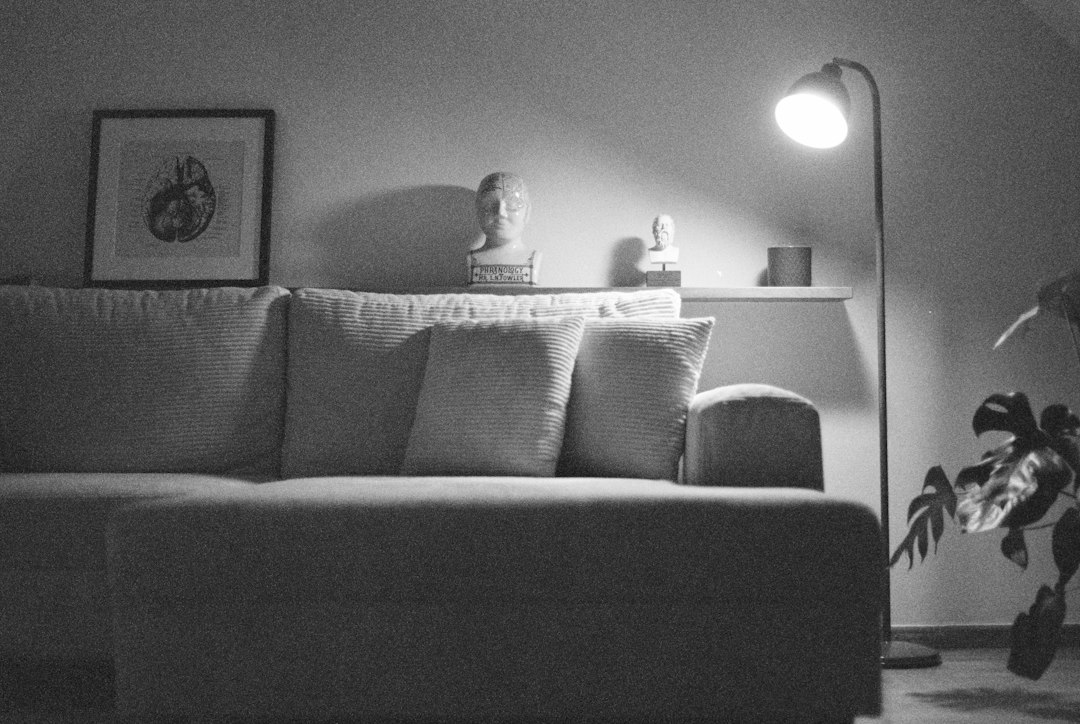
Living room — balance mood with reading light
Layer a soft ambient source (dimmable recessed or a central fixture) with task lights: a floor lamp near seating and table lamps beside sofas. Accent lighting (picture lights or small directional fixtures) adds depth. For reading, put a 400–800 lumen lamp close enough so the light falls over your book without glare—adjustable arms are helpful.
Bedroom — warm, flexible, and glare-free
Bedrooms are for winding down: choose warm color temperatures (2700–3000K) and dimmable options. Instead of a single overhead, consider bedside wall sconces or adjustable reading lights that free up shared spaces and reduce disruption to a partner. If you need general illumination, a soft ceiling light or recessed fixtures with dimming works well.
Bathroom — even mirror lighting and safety
Place lights at eye level on both sides of the mirror or a wide top-mounted fixture to avoid shadows across the face. Choose 3000–4000K and higher CRI (color rendering index) bulbs so skin tones and makeup appear accurate. Include a bright ambient source and consider adding a humidity-rated fixture over the shower.
Entry, hallway and stairs — safety first
Use consistent, evenly spaced lighting. Motion sensors or switches with timers reduce the need to fumble in dark areas. Choose fixtures that provide adequate light without glare; lower-lumen yet more frequent sources prevent deep shadows on stairs.
Practical bulb and fixture decisions
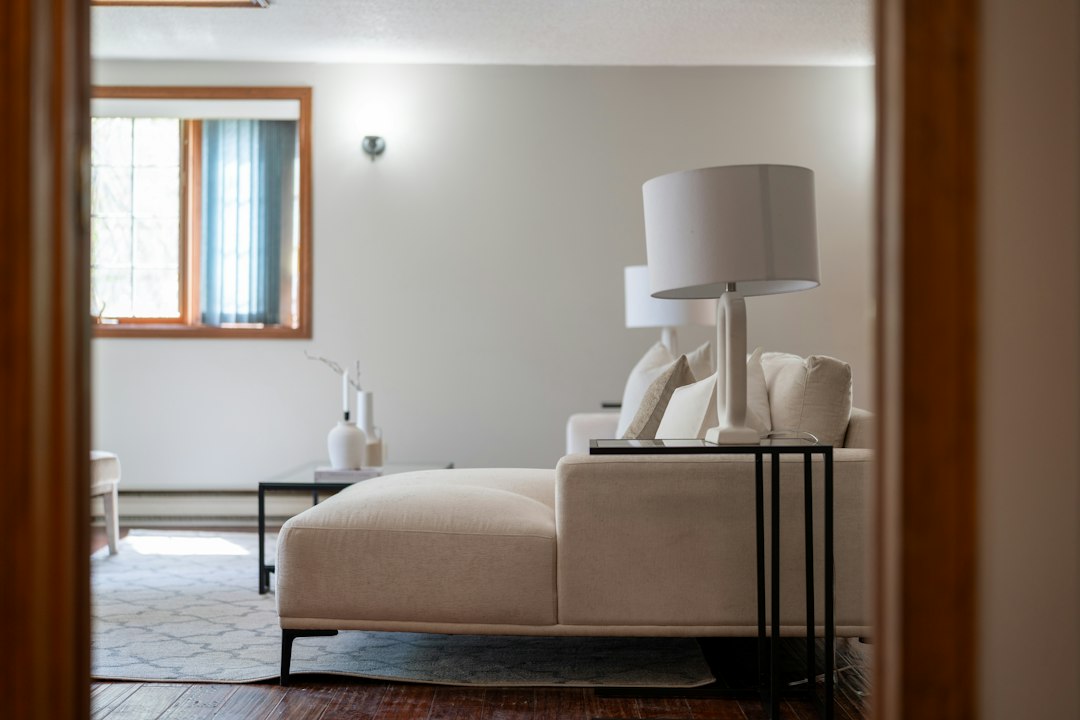
- Pick LEDs: they save energy, have long life, and come in many color temperatures. Look for bulbs labeled dimmable if you plan to dim.
- Check CRI (Color Rendering Index): a CRI of 90+ makes colors appear more natural—useful in kitchens, bathrooms, and art-lit spaces.
- Match beam angles to purpose: narrow beams for accent, wide floods for ambient.
- Consider directionality: choose downward-directed pendants for islands, adjustable heads for task areas.
When to use decorative fixtures vs. functional ones
Decorative fixtures (chandeliers, statement pendants) should combine form and function. If a fixture is mostly visual, supplement it with hidden ambient or task light. Functional fixtures can be attractive too—prioritize function in kitchens and bathrooms, and style in living and dining areas where ambiance matters more.
One product pick that solves common living-room needs
For a living room that needs flexible, layered light—ambient plus a strong task source—a tall floor lamp with adjustable head and dimming capability is a practical single purchase. It creates reading light without rewiring and adds ambient fill when paired with a ceiling fixture.
Quick layout and installation tips that save returns
- Position task lights so they illuminate work surfaces without casting your shadow.
- Measure ceiling height before buying pendants—standard heights: 30–36 inches above a dining table, 30–34 inches above an island for 8–9 ft ceilings.
- Use multiple lower-lumen fixtures instead of one oversized fixture to reduce glare.
- Test bulbs in the room at the time of day you use it most—color temperature reads different at dusk than midday.
Next-step planning checklist
Before ordering fixtures, walk through each room with this short plan: measure, list tasks, note mounting options, and pick bulbs—this prevents surprises during installation.
- List primary activities in the room (cooking, reading, grooming).
- Measure room size and ceiling height for lumen and fixture height planning.
- Decide on color temperature (warm for living/bedrooms, neutral for kitchens/bathrooms).
- Choose dimmable fixtures and confirm bulb-to-dimmer compatibility.
- Plan layered lighting: at least one task and one ambient source per activity area.
Good lighting solves specific problems: see clearly where you work, relax warmly where you rest, and add accent light where you want focus. Use lumens for brightness, Kelvins for mood, and layer ambient, task and accent light for flexibility.
How many lumens do I need for a typical kitchen?
Plan for 3,000–6,000 lumens total, with under-cabinet task lighting providing 300–700 lumens per linear foot of countertop for prep areas.
What color temperature is best for bedrooms?
Warm light around 2700–3000K is recommended for bedrooms to promote relaxation and flattering skin tones.
Can I use smart bulbs with existing dimmer switches?
Often no—smart bulbs with built-in dimming usually require the dimmer to be off or a compatible smart dimmer because traditional dimmers can cause flicker or limited range.
Do I need a high CRI bulb for my kitchen?
Yes—aim for CRI 90+ in kitchens so food colors and surfaces appear natural, which helps in cooking and presentation.
What’s the easiest upgrade for better lighting without rewiring?
Add floor or table lamps for task lighting and install plug-in under-cabinet strips or battery-powered puck lights for counters; both avoid electrical work.