Wishlist
Small misconception that wastes space
Most people assume the only way to fit more in a small kitchen is to purge — but often you can keep what you need and rearrange it so every inch works. Learn 15 concrete ways to organize a small kitchen that combine quick wins and a few thoughtful changes to cabinets, counters, and habits.
Quick countertop wins: clear, corral, and claim
- Limit daily appliances on the counter. Keep only the one or two you use every day (coffee maker, toaster). Move the rest into a nearby cabinet or a shallow appliance garage.
- Use a tray or shallow bin to corral daily items. A tray groups salt, oil, and frequently used utensils so they look tidy and can be whisked away when you need workspace.
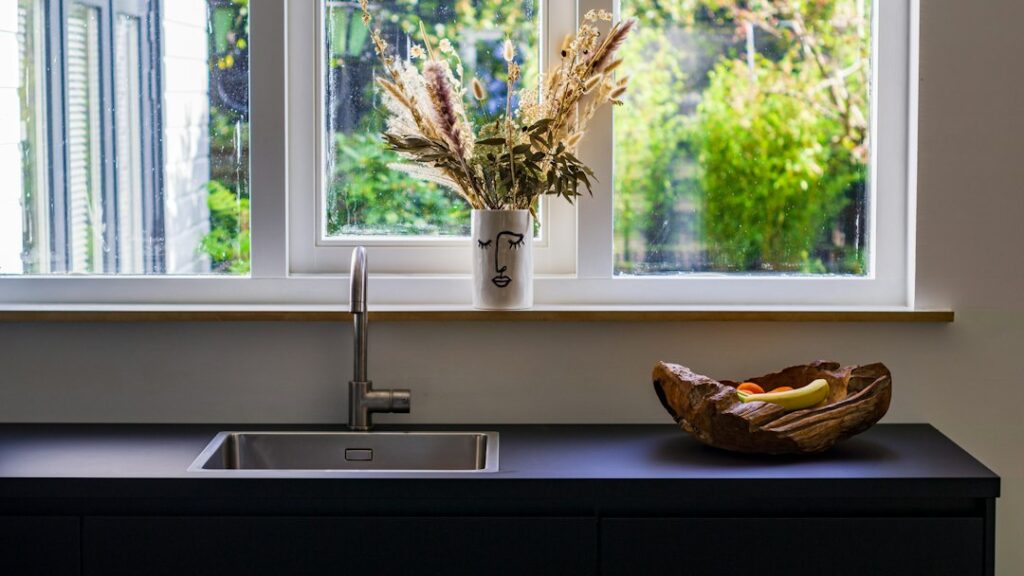
- Adopt a one-in/one-out rule for décor. Keep only a functional vase or bowl—extra objects quickly eat useful prep area.
Reclaim cabinet space with vertical thinking
Cabinets are often underused because items lie flat. Stack and separate vertically so you see and reach everything.
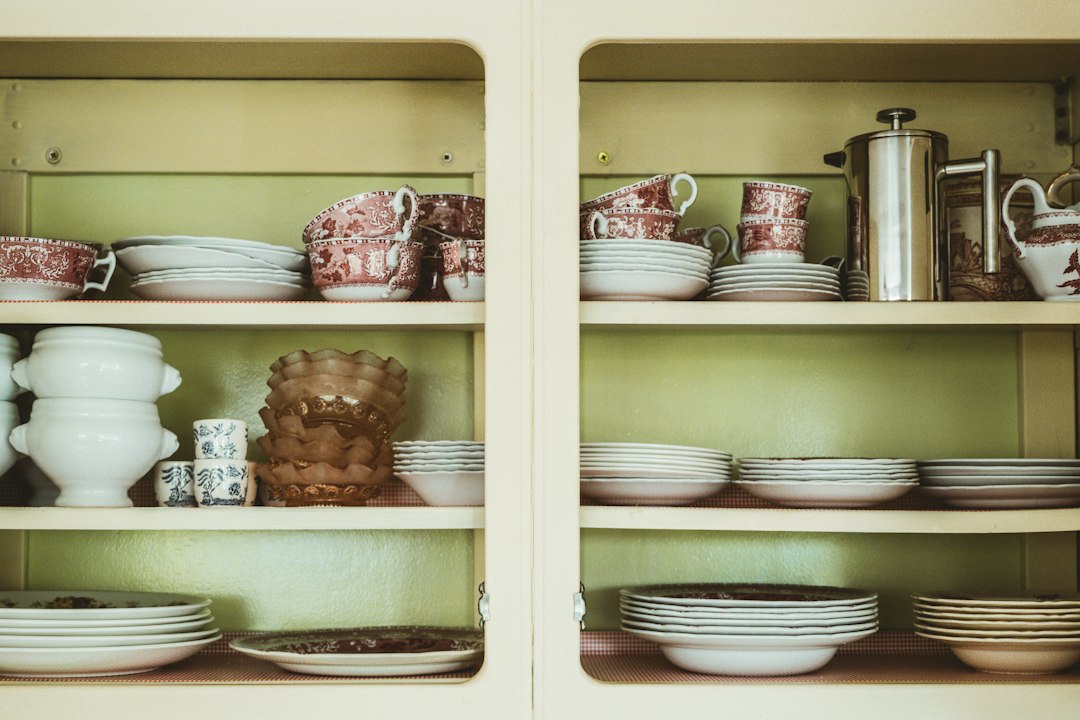
- Install stackable shelves or risers for plates and mugs to double usable levels.
- Use a vertical plate organizer inside a cabinet to stand plates upright — they take less depth and are easier to grab.
- Put lids on a dedicated lid rack attached to the cabinet door or the inside wall; messy lid piles disappear.
Make the under-sink area serviceable
Under sinks are awkward but can hold cleaning supplies and bulk items if you zone them.
Choose a multi-level under-sink organizer with adjustable height and removable bins so you can fit taller spray bottles beside small buckets. One recommended option that fits many sink bases is the Kitstorack Under Sink Organizer which makes the space accessible and tidy.
Use cabinet doors and narrow gaps
- Mount spice racks, small baskets, or a magnetic knife strip to doors. This moves small items out of central shelf space.
- Slide in narrow rolling carts between fridge and counter for oils, baking sheets, or snacks.
Pull-out and sliding organizers: build accessibility
Deep cabinets become dead zones when items hide at the back. Pull-out shelves, sliding trays, or lazy Susans bring the back forward so you use the whole cabinet. Prioritize these where you store pots, pans, or pantry cans.
Designate zones so everything has a home
Turn a small kitchen into a system: prep zone, cooking zone, cleaning zone, and pantry/snack zone. Put tools and ingredients near where they’re used: spatulas by the stove, cutting boards near prep, dish soap under the sink. Zoning reduces movement and keeps counters clear.
Smart pantry swaps for small spaces
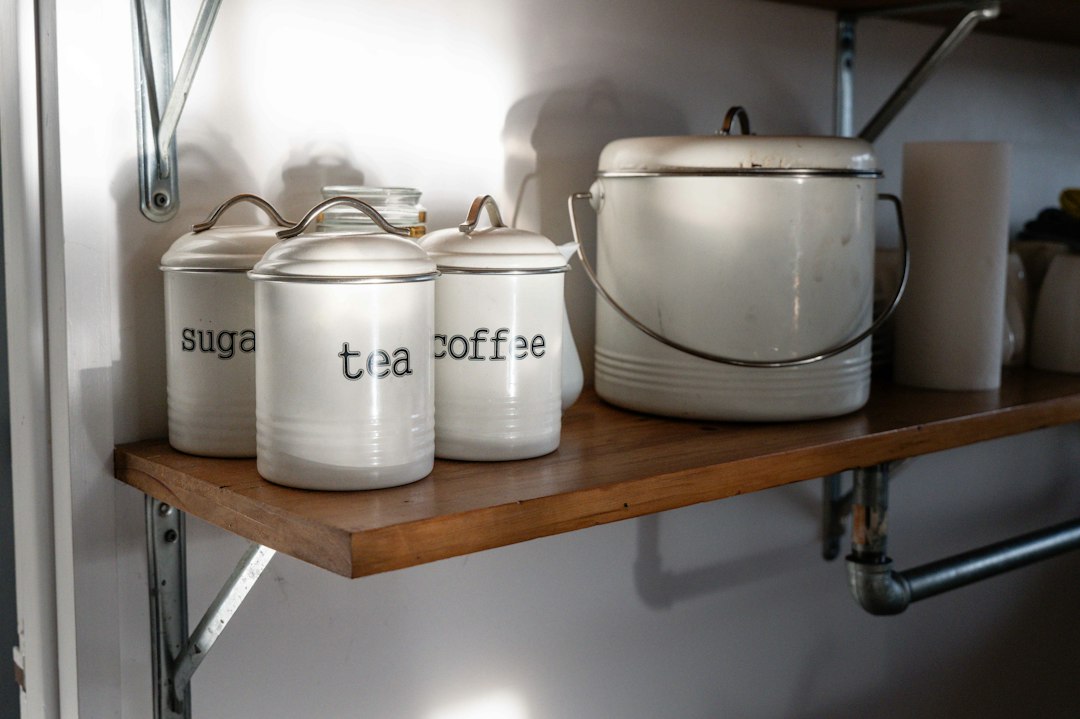
- Switch to uniform, clear containers for dry goods so you can stack jars or use risers and quickly see quantities.
- Group like items and label — baking, grains, snacks — so you don’t chase single items across shelves.
- Keep a “frequent” shelf at eye level for snacks and breakfast items; move excess to higher or lower shelves.
Maximize wall space and vertical storage
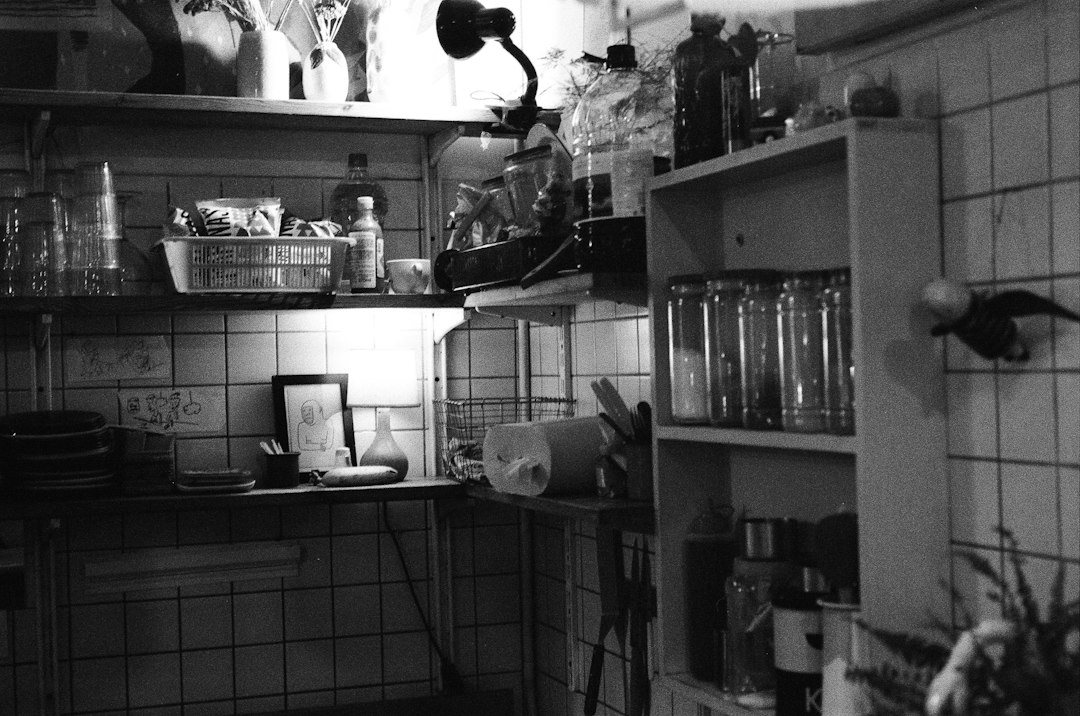
Walls can hold more than art. A pegboard or wall-mounted rail stores pots, pans, frequently used utensils, and even a small spice shelf. For narrow kitchens, vertical racks free precious counter depth.
Use multi-purpose and collapsible tools
Choose collapsible colanders, nesting mixing bowls, and multi-purpose gadgets that replace single-use tools. Store those that nest to save drawer space and keep the most-used on an easy shelf.
Control the small things: drawers and dividers
Drawer clutter looks worse than it is. Insert adjustable dividers so utensils, measuring spoons, and small gadgets stay organized and don’t spill into one another.
Store bulk and seasonal items offsite
If closet or garage space exists nearby, keep rarely used appliances or bulk buys there. Keep only what you use weekly in the kitchen and rotate seasonal cookware as needed.
Re-think appliance storage
Large appliances that are used infrequently can live on a top shelf or in a cabinet with a pull-out tray. For frequently used but small appliances, store them at counter height inside a lower cabinet with a roll-up door (appliance garage) so the counter clears without losing quick access.
Keep flatware and cutting boards accessible
Stand cutting boards vertically in a slim divider to free shelf depth. Use a narrow wall shelf or a shallow drawer organizer for knives and cutting tools for safety and speed.
Maintenance habit: 10 minutes weekly reset
Spend 10 minutes each week returning items to their zones, wiping counters, and checking the fridge for expired goods. A short, consistent reset prevents messes from becoming overwhelming and helps you notice when a storage idea needs adjusting.
- Identify your high-use items and make a single accessible zone for them.
- Clear one-third of countertop space by relocating appliances or using an appliance garage.
- Install a vertical or pull-out organizer in one deep cabinet.
- Convert mismatched jars to uniform clear containers and label them.
- Use cabinet doors for spices, lids, or small tools.
Organizing a small kitchen is mostly about placement, visibility, and habit. Start with one area where you lose the most time, apply a vertical or pull-out solution, and commit to a weekly ten-minute reset to keep it working.
What’s the easiest high-impact change for a tiny kitchen?
Clearing counters by storing all but daily-use appliances is the fastest way to free prep space and instantly make the kitchen feel larger.
How do I fit more in deep cabinets?
Install pull-out shelves, use stackable risers, and stand plates and lids vertically so back-of-cabinet items are reachable and visible.
Are magnetic or door-mounted spice racks worth it?
Yes—door-mounted or magnetic spice racks free shelf space and keep spices organized at eye level, especially helpful in narrow kitchens.
Should I get professional cabinet organizers?
Not necessary for many kitchens—measure and try modular, adjustable organizers first. Choose custom solutions only if standard options can’t meet odd dimensions.