Wishlist
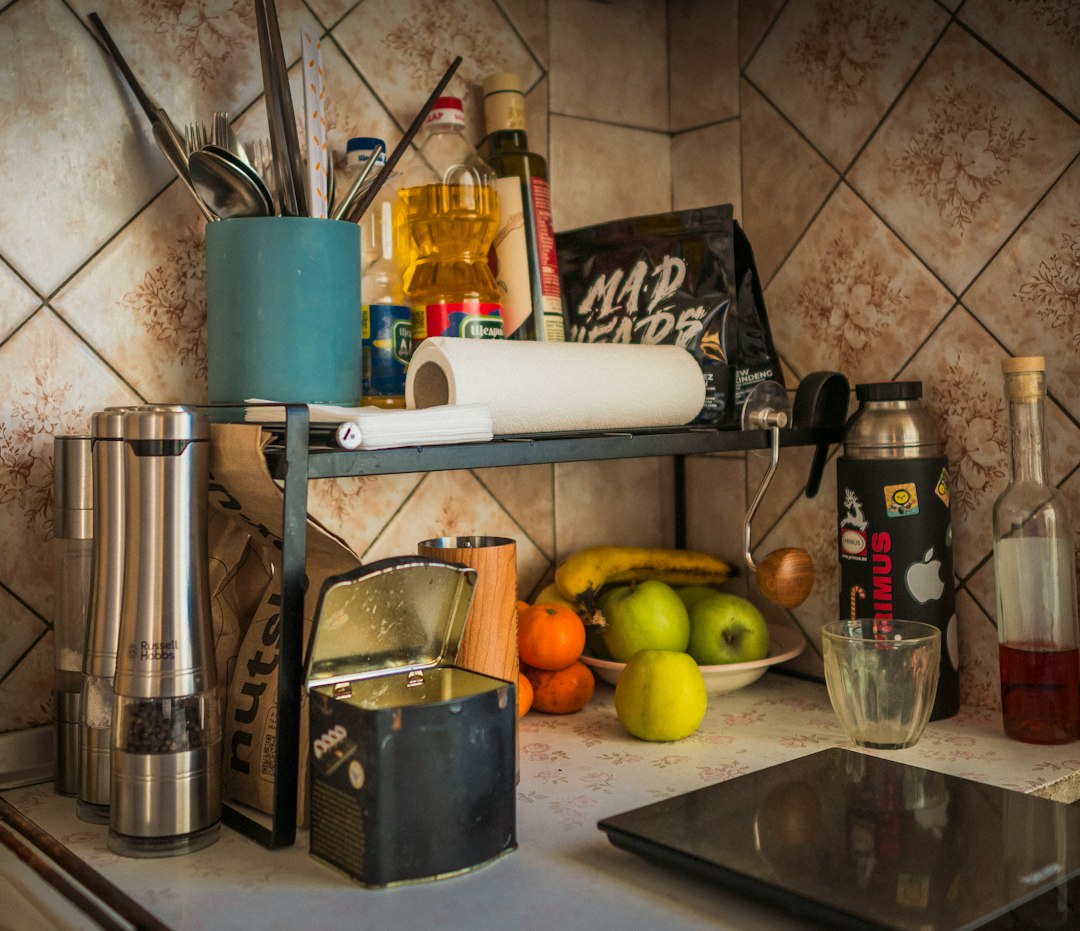
Start with the result you want: a home that feels tidy all week with two short sessions and small daily habits
Most people assume a “weekly cleaning routine” means spending a whole Saturday scrubbing from top to bottom. Instead, design a routine that keeps your home functional and presentable with one 20–45 minute midweek session, one 30–90 minute weekend session, and 5–10 minute daily touch-ups. This balances maintenance with real life: work, family, errands.
Plan by time and room: outline what you’ll do each session
Decide how many minutes you can realistically commit. Then assign tasks by frequency: daily, weekly midweek, and weekly deep-clean. A sample split for a typical 2–3 bedroom home:
- Daily (5–10 minutes): wipe kitchen counters after dinner, load dishwasher/empty in morning, quick clutter sweep of living areas, spot-clean bathroom sink if needed.
- Midweek quick session (20–45 minutes): vacuum high-traffic floors or run robot vacuum, wipe surfaces (dining table, bathroom surfaces), straighten pillows/bed for bedrooms.
- Weekend deeper session (30–90 minutes): mop hard floors, clean toilets and bathtubs, dust surfaces, change bedding, do laundry and fold.
Adapt times: smaller homes often need less weekend time; homes with pets may need slightly more vacuuming frequency.
Gather just the supplies that cover most chores
Keep a compact caddy so you aren’t hunting for tools. Essentials:
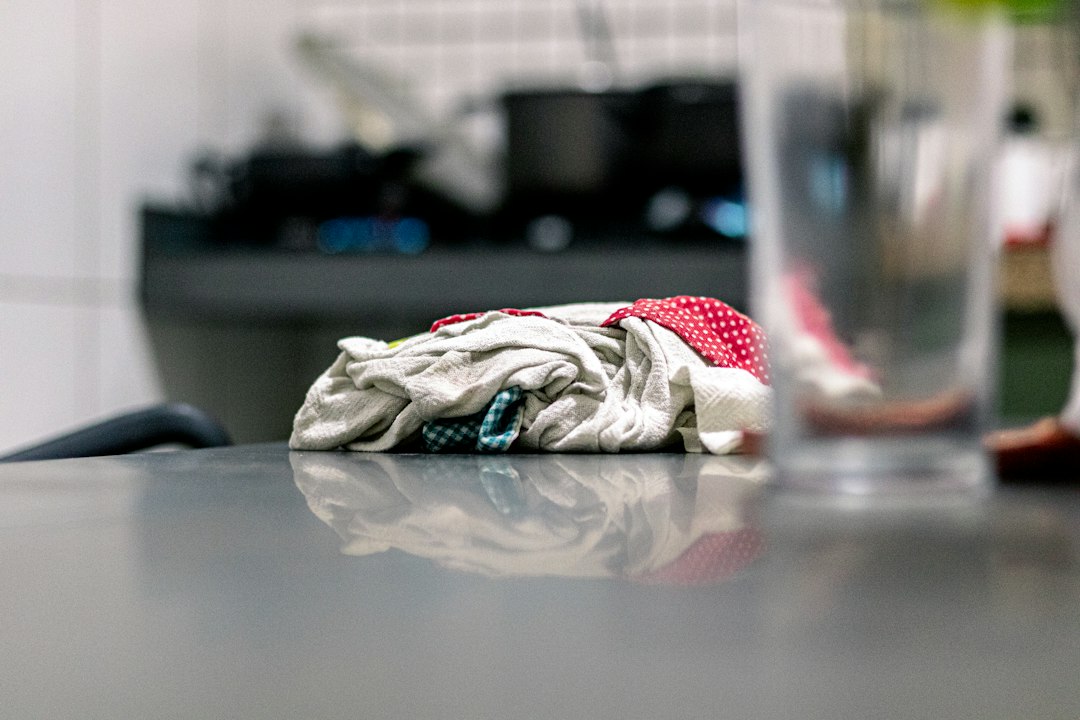
- All-purpose spray and microfiber cloths
- Glass cleaner or vinegar solution
- Toilet bowl cleaner and brush
- Floor tool: broom, mop or a robot vacuum
- Small scrub brush for grout and sink areas
One recommended way to save time is reliable automation. If you want to reduce labor for routine floor care, a robot vacuum is especially useful for midweek quick sessions and daily background maintenance.
Build the weekly sequence: a simple template you can copy
Use this order during your weekend deep session; it minimizes rework and keeps momentum.
- Declutter surfaces first — clear counters, put away mail and toys.
- Dust higher surfaces (shelves, tops of cabinets) so dust falls to the floor.
- Vacuum or sweep all floors; follow with mopping on hard surfaces.
- Clean bathrooms: toilet, tub/shower, sink, mirrors.
- Change bedding and launder linens; fold and put away immediately.
- Wipe kitchen surfaces: stovetop, sink, appliance exteriors.
Doing tasks in this order keeps you from re-soiling areas you've already cleaned and makes the session feel efficient rather than scattered.
Daily micro-habits that prevent big messes
Pick 3 small daily actions and attach them to existing routines (habit stacking). Examples:
- After breakfast: load any dirty dishes into the dishwasher or rinse and stack in sink.
- After shower: squeegee shower door or wipe the tub to reduce soap scum.
- Before bed: 3-minute clutter sweep — put away visible items and set out tomorrow’s coffee mug.
These micro-habits keep the weekend session shorter and less intimidating.

Time-saving adaptations and troubleshooting
If you fall behind
Miss a weekend? Prioritize high-impact tasks: decluttering, taking out trash, quick vacuum. Skip lower-impact jobs (polishing baseboards) until the next scheduled week.
If you have limited time each day
Shorten the weekend deep session to two focused 30-minute bursts on different days: one for bathrooms/kitchen, one for floors/dusting.
If pets or allergies increase workload
Shift vacuuming to midweek and consider an extra short sweep or a second robot vacuum cycle. For allergies, add weekly bedding washes in hot water and more frequent dusting.
How to involve others without losing control
Make tasks explicit and quick. Instead of “clean the kitchen,” give one-person a 10-minute task: “wipe counters and put dishes away.” Children can do small daily jobs (put laundry in hamper, set napkins on table). Rotate a larger weekend task among adults: one week bathrooms, the next week floors.
Small investments that reduce weekly time
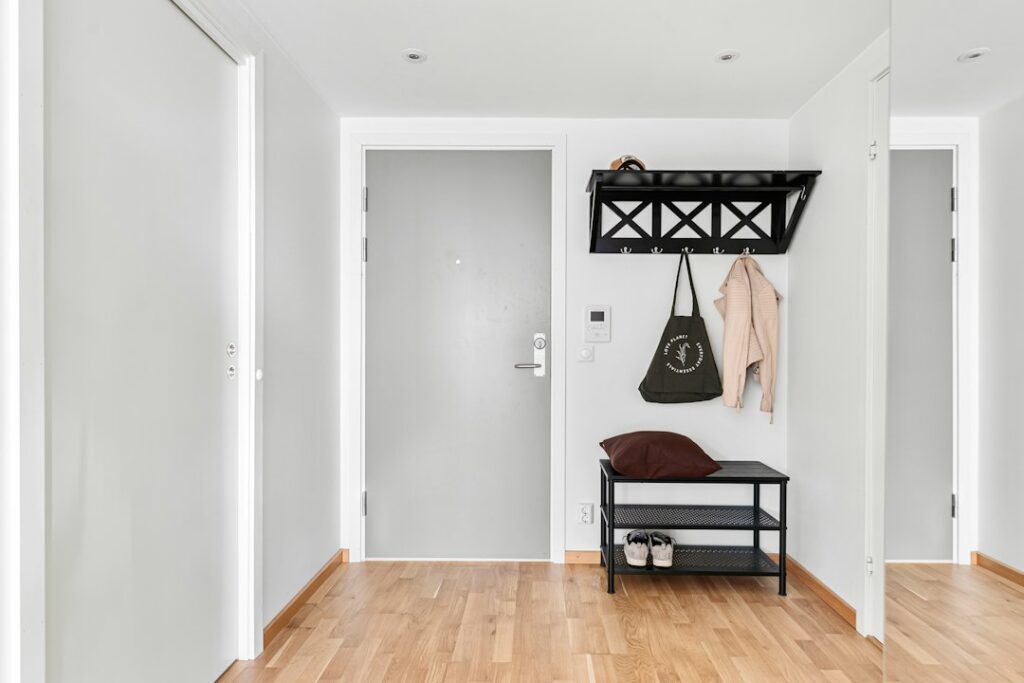
- Organizers for entryway and mail to cut clutter minutes each day.
- A good microfiber mop or a self-wringing mop for faster mopping.
- A reliable robot vacuum (see product above) to maintain floors between full sessions.
Keep the routine working: review and simplify monthly
Once a month, ask: Which tasks took too long? Which could be reduced in frequency? For example, if a room stays tidy longer than expected, move its deep clean to every two weeks. The goal is a routine that fits your life, not a rigid checklist that becomes ignored.
- Decide your two weekly session lengths (midweek and weekend).
- Create a compact cleaning caddy with essentials.
- Pick 3 daily micro-habits to prevent buildup.
- Schedule tasks in order: declutter, dust, vacuum, mop, bathrooms, laundry.
- Set a monthly review to simplify or shift frequencies.
A realistic weekly cleaning routine pairs short daily habits with one quick midweek refresh and one larger weekend session. Focus on high-impact tasks, use a small set of reliable tools, and fine-tune frequencies to match your home and schedule.
How long should a weekly deep-clean session take?
For most homes, 30–90 minutes is enough if you follow a focused order: declutter, dust, vacuum/mop, clean bathrooms, and launder bedding. Adjust based on home size and how much daily upkeep you do.
Can I rely only on a robot vacuum for weekly cleaning?
A robot vacuum helps maintain floors but doesn’t replace tasks like wiping counters, cleaning bathrooms, or mopping; use it as part of the routine to reduce time spent on floor care.
What if I hate cleaning—how do I start?
Start with two tiny habits (5 minutes each) and one 20-minute weekly session. Use a timer and consider outsourcing or swapping tasks with household members as the routine becomes established.
How often should I change cleaning tasks like dusting or deep carpet cleaning?
Dusting is typically weekly or biweekly depending on dust levels; deep carpet cleaning can be quarterly to yearly, depending on traffic and stains.