Wishlist

Short answer: Follow a simple cadence—daily for high-use surfaces, weekly for living areas and bathrooms, monthly for appliances and deeper dusting, and yearly for big jobs. Adjust frequency for household size, pets, allergies and individual surfaces.
“Home cleaning schedule” above tells you exactly what to prioritize: wipe counters, do dishes, and spot-tidy daily; vacuum/mop and clean toilets weekly; check and deep-clean appliances and upholstery monthly; and reserve one or two days a year for big jobs like window washing, mattress flipping and deep carpet cleaning. Below is a room-by-room guide with exceptions and practical timing so you can build a realistic plan.
Kitchen: daily to monthly priorities
Daily: wipe counters and stove after use, wash dishes or load the dishwasher, take out food waste. High-touch surfaces (fridge handles, light switches) should be wiped daily in busy households.
Weekly: clean the sink, sanitize cutting boards if they touched raw meat, wipe appliance exteriors, sweep and mop the floor, empty crumbs from toaster/tray.
Monthly: clean inside the microwave, wipe fridge shelves and discard expired food, descale the kettle/coffee maker if needed, deep-clean the oven as usage dictates.
Exceptions: If you cook rarely, some weekly tasks can become biweekly. If you prep raw meat frequently, sanitize cutting boards and handles after each use.
Bathrooms: frequent quick cleans plus scheduled deep work
Daily: a quick squeegee of shower walls or a towel wipe keeps soap scum manageable in busy bathrooms; wipe counters if used by multiple people.
Weekly: clean toilet bowl, sink, mirror, and shower/tub; change towels; sweep and mop floors. Use disinfectant on high-touch items.
Monthly: scrub grout lines, descale showerheads and faucets, wash shower curtains or liners, clean exhaust fan covers if dusty.
Exceptions: Households with illness should disinfect high-touch bathroom surfaces every day until symptoms resolve.
Living areas and bedrooms: maintain comfort and air quality
Daily: make beds, do a quick clutter sweep, remove dishes and trash, and spot-wipe spills on surfaces or upholstery.
Weekly: vacuum floors and rugs, dust surfaces including electronics, change sheets (weekly is best for sleepers who sweat, have allergies, or pets share the bed), and empty trash cans.
Monthly: vacuum upholstered furniture thoroughly (or brush/pet-hair remove), dust high ledges and baseboards, clean light fixtures and ceiling fan blades.
Yearly/seasonal: rotate/flip mattresses and deep-clean or steam carpets every 12–18 months (more often if pets and children).
Floors and rugs: match method to surface
Hard floors: sweep or vacuum high-traffic areas daily or every other day; mop weekly. Wool or specialty rugs require gentler care—vacuum weekly and rotate regularly.
Area rugs: vacuum weekly; spot-clean stains immediately; deep-clean or professional shampoo yearly (or every 6–12 months if heavy use).
For most homes, a robot vacuum can handle daily surface debris; emptying its bin weekly or after heavy shedding is enough.
Appliances and fixtures: monthly to yearly checks
Monthly: clean microwave interior, empty and wipe toaster crumb trays, clean range hood filter (or monthly-when-used). Wipe fridge seals and check for spills.
Every 3–6 months: clean the dishwasher filter, run a cleaning cycle, clean washing machine seals and detergent drawers, vacuum refrigerator coils if accessible.
Yearly: service HVAC or change central system filters per manufacturer; deep-clean oven interior if not done monthly; schedule professional servicing for appliances as recommended.
High-touch and high-risk spots: clean faster when needed
High-touch surfaces—doorknobs, light switches, remotes, phone screens—should be wiped at least weekly and daily during illness or heavy use. For allergy households, vacuum and dust more often and wash bedding weekly.
Entryways, closets and storage: frequency depends on traffic
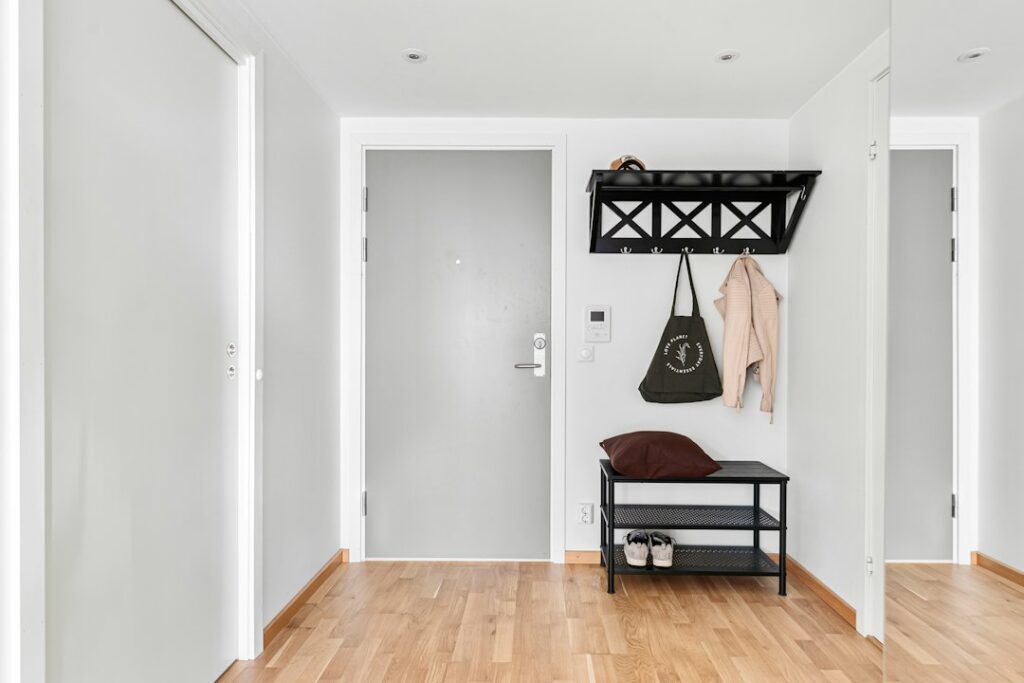
Entryway: sweep or vacuum weekly; shake or clean doormats monthly. If you routinely bring outdoor dirt in, increase floor cleaning to every-other-day.
Closets: declutter seasonally and dust shelves every few months. Storage areas with infrequent access can be inspected and cleaned semiannually.
Quick rules to help you decide frequency
- If you see dirt or smell it, clean it—don’t wait for the schedule.
- High-use + high-risk = shorter intervals (daily or weekly).
- Low-use + low-risk = longer intervals (monthly or seasonal).
- Pets, kids or health issues push many tasks to shorter cycles.
One product that makes routine easier
If you want to reduce weekly floor work, a high-quality robot vacuum that also mops can handle daily debris and keep floors manageable between deep cleans. For many homes, the best fit is the store’s top-ranked option.
How to build the plan that fits your life
Create a realistic checklist by combining tasks into sensible blocks: quick daily (10–15 minutes), a focused weekly session (1–2 hours) covering bathrooms and floors, one monthly deep task (appliances or upholstery), and two annual big jobs. Put weekly slots on your calendar so they become habits.

- Pick one fixed day for weekly cleaning and block it on the calendar.
- Assign one monthly deep task per month (oven, fridge, vents).
- Identify one “high-touch” zone to disinfect daily during flu season.
- Note pet shedding cycles and increase vacuuming accordingly.
- Keep essential cleaners and microfiber cloths in central spots.
Use a simple cadence: daily quicks, weekly thorough cleans, monthly appliance and dusting work, and yearly deep jobs. Tailor the schedule to your household’s usage and health needs, and automate where possible (robot vacuums, scheduled reminders) to keep the plan sustainable.
How often should I wash bed sheets?
Weekly is ideal for most people—especially those who sweat at night, have allergies, or share a bed with pets. Others can extend to every two weeks.
Can I skip deep-cleaning appliances?
Not recommended—skipping appliance maintenance shortens lifespan and can create odors or hygiene issues; aim for at least quarterly checks for washers/dishwashers and monthly fridge/microwave wipes.
How do I prioritize when pressed for time?
Focus on health and comfort: sanitize high-touch surfaces, clean toilets and kitchen counters, and vacuum floors in high-traffic zones.
Is daily mopping necessary?
No—daily mopping is rarely needed; sweep or vacuum daily in high-traffic homes and mop weekly or more often if there are spills, sticky residue, or pets that track dirt.
How do pets change the schedule?
Expect to vacuum and remove hair more often (daily to every-other-day for heavy shedders), wash pet bedding weekly, and clean litter areas multiple times per week.