Wishlist
Start with a realistic expectation most people miss
Decluttering your home rarely means turning everything into a showroom overnight. The more useful goal is to remove friction: cut the items that create daily annoyance, make storage match how you actually live, and create one straightforward maintenance routine. Below you'll find a room-by-room plan that answers the practical questions people ask first: what to sort, how to decide, how long it takes, and what storage or product will actually help.
How to approach every room: the quick method
Use this repeatable process in each room. It takes the guesswork out of decisions and makes progress measurable.
- Set a small time block: 30–90 minutes for a drawer or small room; 2–4 hours for larger rooms.
- Sort into four piles as you go: Keep, Donate/Sell, Recycle/Dispose, Relocate (belongs elsewhere).
- Apply one simple rule: if you haven’t used something in 12 months and it isn’t seasonal or sentimental, it’s likely not “keep.”
- Contain keep items immediately into a dedicated zone or labeled container—don’t leave them in a miscellaneous pile.
Entryway: clear the welcome mat bottlenecks
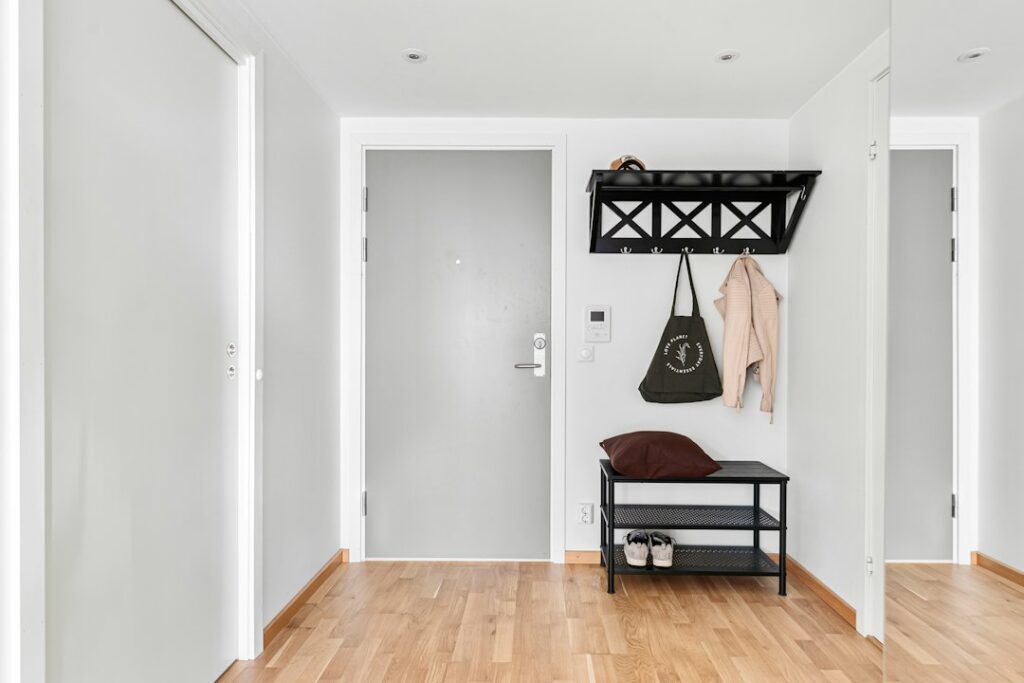
Common problem: shoes, mail and keys accumulate and block the path. Focus on what must be accessible daily.
- Keep: everyday shoes (limit 2–4 pairs per person), a single key bowl or hook, weather gear in rotation.
- Donate/sell: duplicate shoes in poor condition or unworn seasonal footwear.
- Storage choice: a narrow shoe bench or stackable bins for seasonal shoes and a wall-mounted key hook.
Kitchen and pantry: prioritize surfaces and usable containers
Kitchen clutter makes meal prep slower. Your first target is countertops and the “lay-flat” zone—where mail or gadgets usually land.
- Sort surfaces: remove items that don’t belong in the kitchen; create a mail landing zone outside the cooking area.
- Appliances: keep only those you use weekly on the counter. Store occasional appliances in labeled bins or higher shelves.
- Pantry: discard expired food, consolidate half-used items into clear containers, and group by use (baking, snacks, staples).
When you need containers, clear plastic bins with lids make grouping and visibility simple—use one for baking supplies, one for snacks, one for bulk rice/pasta.
Living room: balance display and hidden storage
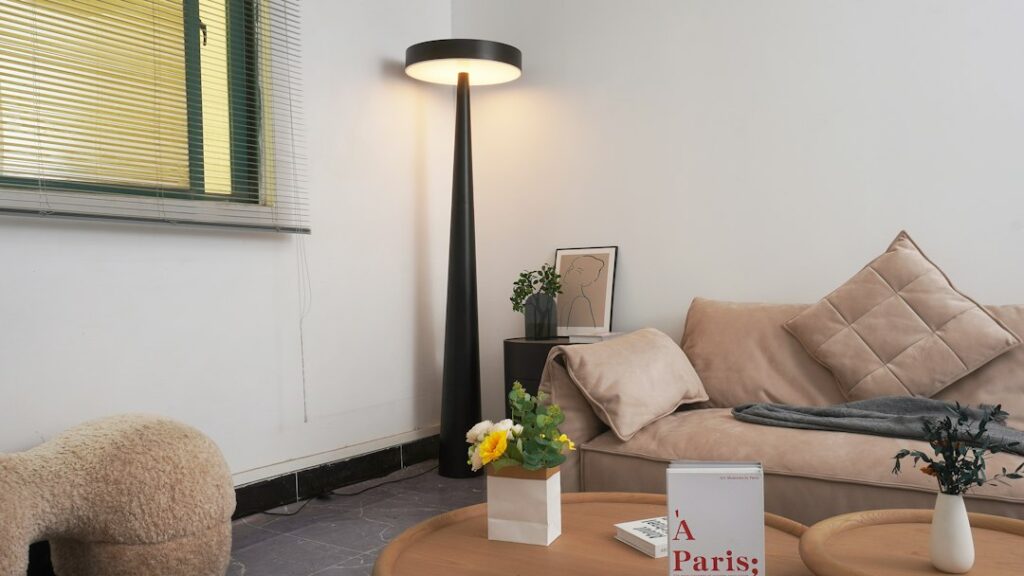
The goal here is approachable order: surfaces should be easy to clear, and shared items (remotes, blankets) should have a home.
- Keep accessible: blankets, commonly used games/books and one small tech charging zone.
- Store decor thoughtfully: rotate decorative items seasonally—store extras in labeled bins.
- Furniture choice: coffee tables or shelves with baskets hide the “everyday mess.”
Bedroom and closet: make dressing simple
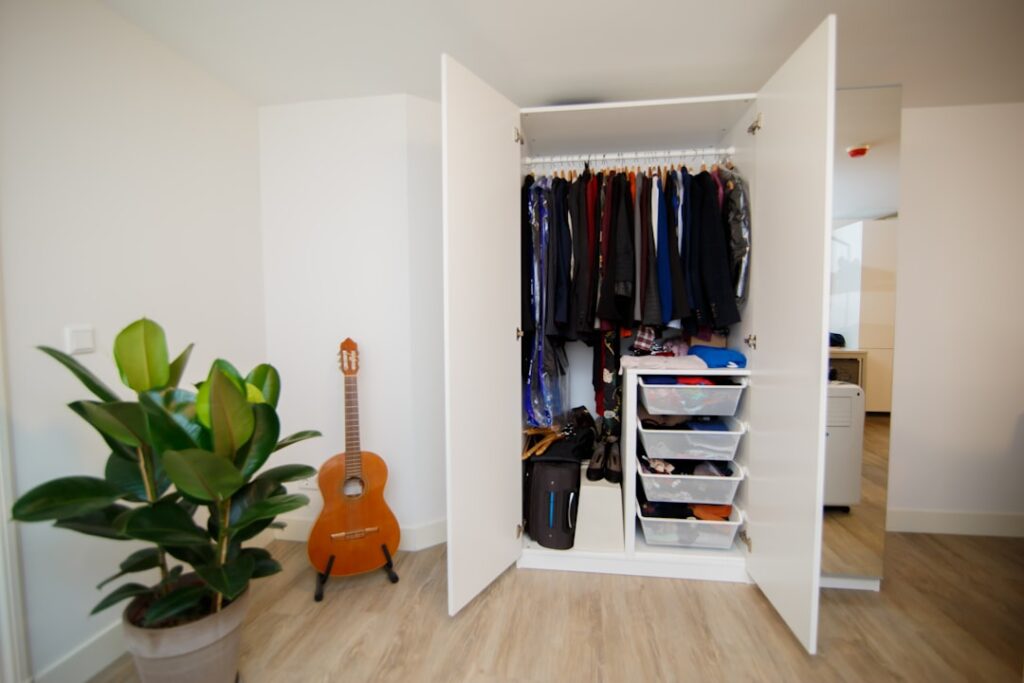
Closets become the easiest win when you reduce decision fatigue. If an outfit hasn't been worn in a year, consider its future.
- Fold vs hang: hang shirts and dresses you wear often; fold heavy sweaters to avoid stretching. Keep a consistent hanger type to tidy visual clutter.
- Purge seasonal clothes you don’t wear and donate shoes that pinch or haven’t been worn in two seasons.
- Storage tip: use clear storage bins for off-season items and keep them under the bed or on high shelves with labels.
Bathroom: streamline daily grooming
Bathrooms attract small bottles and half-used products. Aim for a single daily-use shelf and a “less than half full” rule for products you don’t use consistently.
- Dispose expired products and those with unclear purpose.
- Group toiletries by user and use a small caddy for daily items; store backups in a labeled bin.
- Keep a small trash and a towel hook; clear the countertop every evening.
Home office and paperwork: control incoming paper
Paperwork and cables are the biggest recurring mess. Start by stopping new paper from entering the pile.
- Create an “inbox” for mail, then schedule 10–15 minutes twice weekly to process it: file, pay, recycle.
- Scan or shred documents you don’t need physically; keep only essential tax/medical papers in a labeled file box.
- Declutter cables with a simple zip-tie or cable box and use a single drawer or basket for office supplies.
Garage, basement and storage rooms: consolidate and label
These spaces are for seasonal items and tools—treat them as inventory management.
- Group like with like: automotive, gardening, holiday decor, tools. Use large clear bins so contents are visible.
- Label both bin lids and the front for quick scanning. Keep frequently used items at eye level.
- Donate unused tools or duplicates and safely recycle chemicals you won’t use.
The ClearSpace clear plastic storage bins are a practical choice for consolidating seasonal items and pantry overflow; they make contents easy to find and stack neatly.
Deciding to donate, sell or toss—practical rules
Donate when items are in good condition and likely to help someone else quickly. Sell when the item is in demand and worth the time to list. Toss or recycle when repairs exceed reasonable value or the item is unsafe. If you hesitate, put it in a 30-day hold box: if you don't retrieve it, move it on.
- Set a timer for each session (30–90 minutes).
- Sort into Keep, Donate/Sell, Recycle/Dispose, Relocate.
- Contain keeps immediately in labeled bins or shelves.
- Address incoming paper with a twice-weekly inbox routine.
- Use clear stackable bins for seasonal storage.
- Schedule one donation drop-off within 7 days of sorting.
Focus on removing daily friction: clear surfaces, limit duplicates, and create visible, labeled storage for things you keep. Small, consistent sessions finish faster and are easier to maintain than marathon purges.
How long will it take to declutter a whole house?
It depends on size and how much you keep; plan multiple short sessions—tackle one room per weekend or one drawer per evening to avoid burnout.
What’s the easiest room to start with?
Start where you notice daily friction—often the entryway or kitchen—so immediate benefits motivate further work.
How should I handle sentimental items?
Limit sentimental items to a single box per person, photograph items you can’t keep physically, and be honest about what you’ll actually look at or use.
Are storage bins enough to solve clutter?
Bins help visibility and containment, but reducing the number of items is essential; storage solves organization, not over-accumulation.
How do I prevent clutter from coming back?
Adopt small habits: a nightly 5-minute tidy, a twice-weekly mail routine, and a one-in-one-out rule for new non-essential purchases.