Wishlist
Start with the Outcome: how a small home organized looks and feels
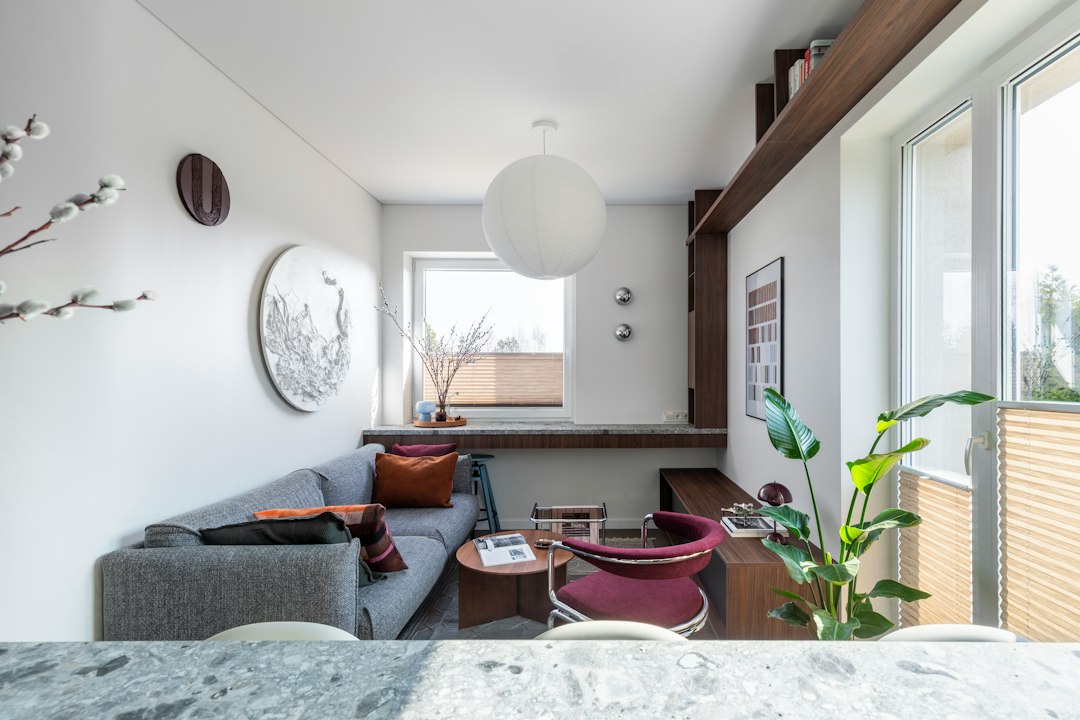
A small home organized gives you intentional surfaces, easy access to daily items and visible, labeled places for occasional things. You see empty countertop space, can find keys and chargers without hunting, and small bursts of cleaning restore order quickly. That practical result frames the steps below: clear, contain, rearrange, and maintain.
Clear: remove what keeps you from seeing the space
Begin with a fast, ruthless sweep of visible clutter. Set a 90–120 minute timer and work room by room. Keep only items you used in the last three months in everyday zones (entry, kitchen counters, living surfaces). Put seasonal, sentimental, or rarely used items into a “maybe” box you’ll revisit in 30 days.
- Tip: use three labeled bags or boxes: Keep, Donate/Sell, Store. Immediately remove donations from the house.
- Small exception: if something is frequently borrowed or shared (tools, chargers), create a single shared basket rather than scattering them.
Contain: pick a simple system for every zone
Once surfaces are cleared, add containers that match how you use the space. The goal is visual calm and predictable places for each category.
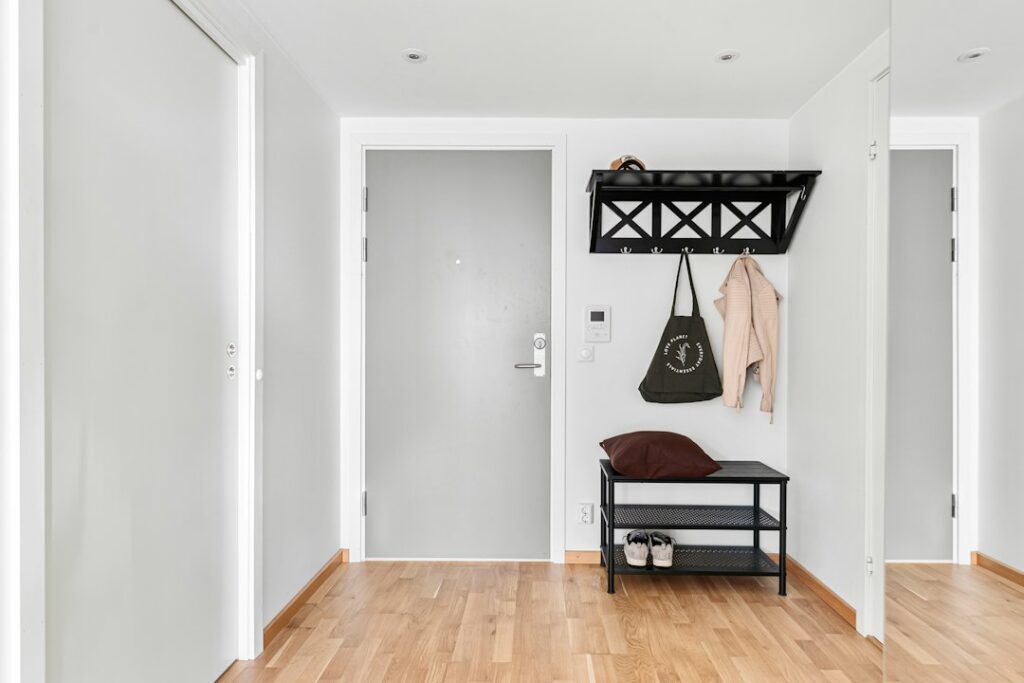
- Entry: a shallow tray for keys/wallet, a narrow shoe rack, and a wall hook or slim shelf for bags and coats. If floor space is tight, hang a slim organizer behind the door.
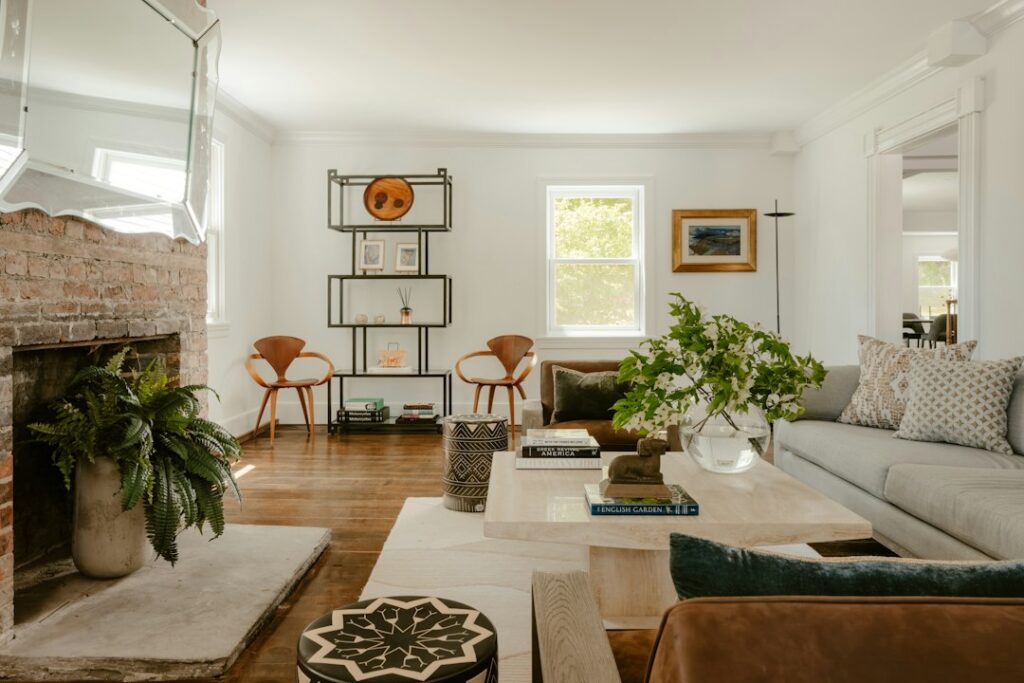
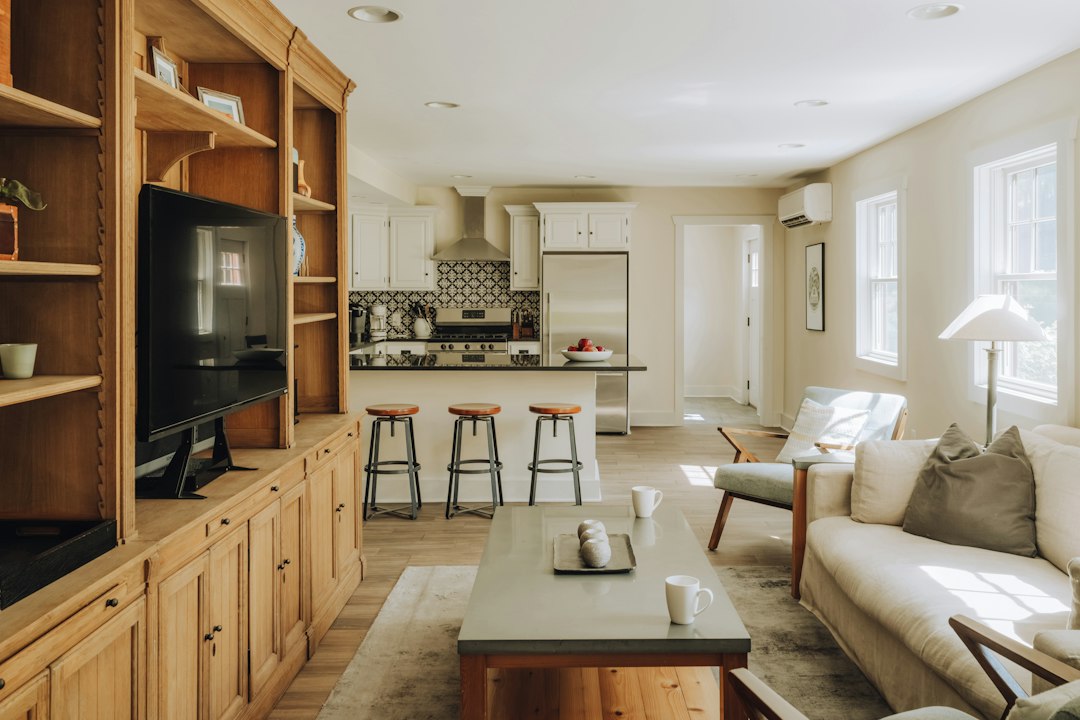
- Living room: a storage ottoman or baskets for blankets and remotes; floating shelves to raise books and decor off surfaces.
- Bedroom: under-bed clear plastic bins for off-season clothes or extra linens—transparent bins let you see contents without opening boxes.
- Kitchen: group like items together (baking, breakfast, snacks) in clear bins or labeled baskets inside cabinets; use a single tray for oils and frequently used bottles on the counter to keep them tidy.
- Bathroom: an over-the-toilet shelf and small drawer organizers keep toiletries from spreading across the sink.

Rearrange: prioritize access and use vertical space
In small homes you win by reorganizing around actions, not objects. Place the items you reach for daily at accessible heights and move the rest higher or deeper.
- Make work zones: create a coffee/tea station near the kettle, a mail-and-keys zone at the entry, and a cooking zone that groups all prep tools together.
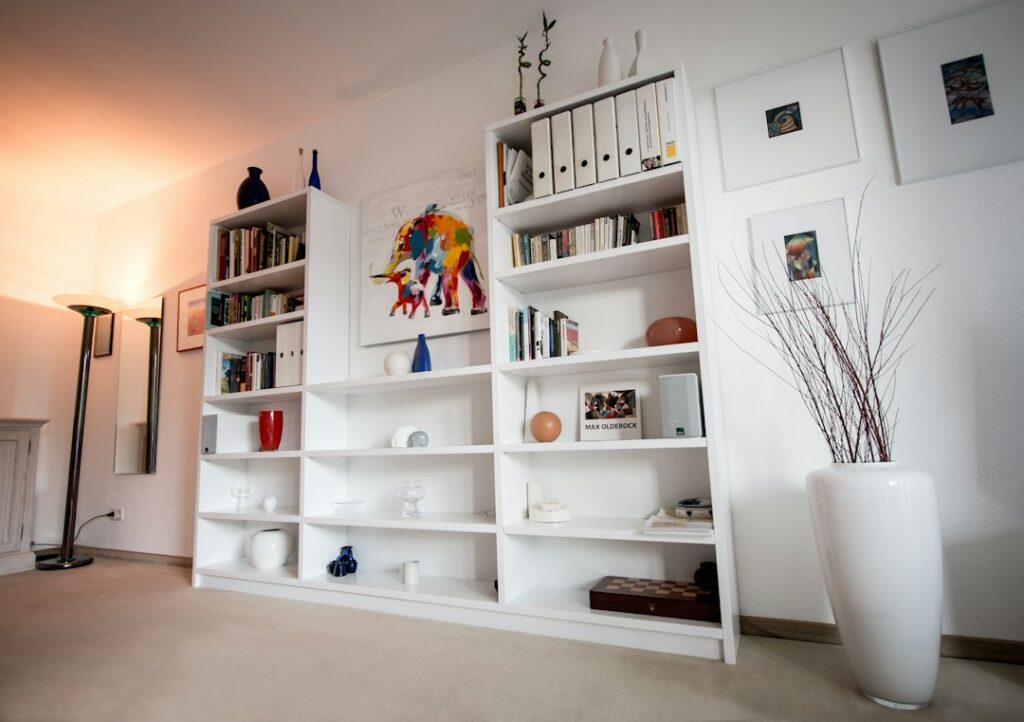
- Use vertical solutions: floating shelves, wall-mounted pegboards for utensils or tools, and tall narrow shelving units take up small floor footprints but hold a lot.
- Take advantage of dead space: behind doors, above cabinets, and the vertical gap under sinks can be fitted with hooks, tension rods, or small shelving.
One product that solves many small-home storage problems
When you need to convert open space into tidy, visible storage quickly, a clear plastic bin set is a reliable choice: they stack, show contents, and work throughout the home.
Use large clear bins for linens, under-bed storage, or seasonal clothing and smaller clear bins for kitchen cabinet groupings and cleaning supplies. Label the lid and one short side so you can read it when stacked.
Create quick habits that keep the system working
Organization fails when systems are too complex. Pick two maintenance habits you can keep daily:
- Nightly reset (5 minutes): return items to their home, wipe counters, and fold a blanket. A short, consistent routine prevents the need for deep clears.
- Weekly bin check (10–15 minutes): scan high-use zones (entry, kitchen counter, coffee station) and remove anything out of place.
Troubleshooting: what to do when clutter returns
If surfaces fill up again, identify the source: incoming paper, kids’ stuff, or kitchen gadgets. Counter the problem with a targeted fix:
- Paper: add a single in-box for action items and schedule a 10-minute Sunday sorting session.
- Kids’ toys: rotate toys—keep a small selection out and store the rest; swap every two weeks to reduce overflow.
- Kitchen gadgets: keep only what you use monthly; store bulky items elsewhere or sell/donate duplicates.
Adapting for renters and non-permanent spaces
Choose damage-free solutions: adhesive hooks, freestanding shelving, and lightweight over-the-door organizers. Avoid built-in changes unless you plan to stay or get landlord approval.
When to invest in furniture that doubles as storage
If you frequently run out of places to store items, prioritize multi-purpose furniture: beds with drawers, storage ottomans, or a dining bench with internal storage. These items cost more but replace single-purpose pieces and reduce visual clutter.
- Set a 2-hour timer and clear surface clutter from one main room.
- Choose clear bins for three categories and label them.
- Install one vertical storage solution (shelf, hooks, or pegboard).
- Create an entry drop zone for keys and mail.
- Schedule a weekly 10–15 minute reset and a 30-day donation review.
Make visible, labeled homes for frequently used items and clear out what you don’t use. Focus on simple containers, vertical storage and two short daily/weekly habits to keep a small home organized long-term.
How do I choose storage containers for a small home?
Pick clear bins for visibility, sizes that fit your shelves and under-bed spaces, and label lids and sides; prioritize stackable designs to maximize vertical capacity.
What are quick fixes for a cluttered kitchen counter?
Group daily items on a single tray, store rarely used appliances in cabinets, and use a wall rail or magnetic strip for utensils to free counter space.
Can renters use storage solutions without damaging walls?
Yes—use command hooks, tension rods, freestanding shelves and over-the-door organizers that don’t require drilling or permanent changes.
How often should I declutter in a small home?
Do a quick daily reset, a weekly targeted tidy, and a quarterly deeper declutter for seasonal items and things you haven’t used in months.
Which furniture pieces give the best storage return?
Beds with built-in drawers, storage ottomans, and benches with internal compartments provide high storage capacity without taking extra floor space.