Wishlist
Start with a small daily reset so every session begins calm
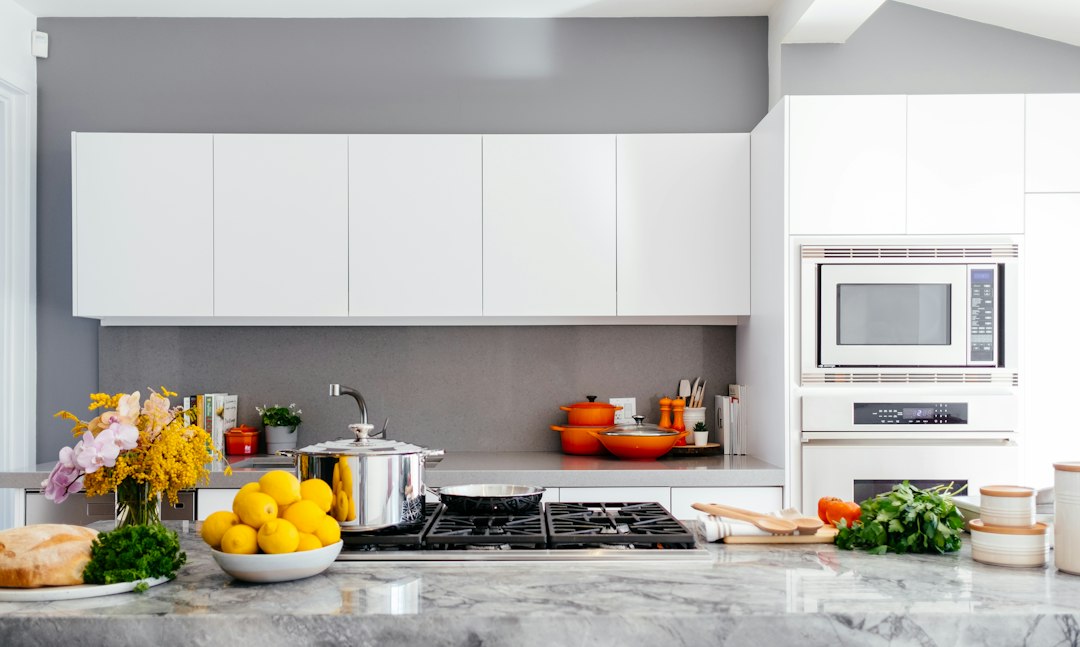
Before you cook or after dinner, take 60–90 seconds to clear crumbs, put away stray items and wipe the main prep surface. This habit—simple, fast and repeatable—keeps the kitchen usable. A clear surface reduces decision friction: when you can see a free corner, you’re more likely to start cooking rather than reaching for takeout.
Keep your most-used tools within reach
Group the five to seven things you use every week (spatula, chef’s knife, measuring spoons, wooden spoon, tongs, oil) within arm’s reach of your main prep area and stove. Store them in a drawer or a countertop jar next to the work surface. This prevents the repeated walk-around that makes cooking feel slower.
Adopt a kitchen “mise en place” for weeknight cooking
Before you start, quickly measure spices, chop aromatics and line up bowls for ingredients. You don’t need full professional mise en place—just enough prep to keep you moving. That small front-loaded work saves stops and starts, and is especially useful for recipes you make often.
Design a one-trip unload and reload routine for the dishwasher
When you empty the dishwasher, return items straight to their long-term spot immediately, not to a staging area. When loading, scrape (don’t pre-rinse) and place like items together so unloading is predictable. The result: unloading becomes a 3–5 minute task instead of a chunked chore that interrupts your workflow.
Use horizontal zones not vertical wishlists
Think in zones along the counter: a prep zone with cutting board and knives; a cooking zone with spatula and oils; a coffee/snack zone with mugs and a jar for tea. Placing items by activity—horizontally across a work surface—reduces reaching and keeps each task confined to one area.
Batch small tasks into one short session
Collect small chores (sharpen one knife, refill a soap dispenser, wipe inside the microwave) and do them together once or twice a week. Micro-tasks done in batches are less disruptive than spreading five-minute jobs across several days but still keep the kitchen functioning smoothly.
Be deliberate about countertop clutter—limit daily keepers
Choose two to three items that can live on the countertop without costing usable space (coffee maker, knife block, fruit bowl). Everything else should have a designated home. If you must keep more, use a tray so clearing the counter is one quick move.
Store like with like and face items forward
Group baking supplies, breakfast items and canned goods together and place the most-used items at eye level. Use clear containers or simple labels so you can find what you need without pulling everything out. This reduces decision time and accidental overbuying.
Adopt a “one-in, one-out” rule for gadgets and containers
Kitchen drawers and cabinets get cluttered when new tools arrive without a plan. For small appliances or storage containers, decide whether an incoming item replaces one you already own. This habit keeps storage manageable without a full purge every season.
Choose durable basics that make daily tasks faster
When a tool slows you (a floppy spatula, dull knife or leaking storage container), replace it with a reliable basic. A good all-purpose knife and a small set of silicone utensils dramatically reduce friction in everyday cooking. For a ready option that works for most households, consider a compact silicone utensil set that includes a ladle, slotted spoon and spatula.
Quick workflow checks to keep things simple
At the end of each week, glance through three places: the countertop, a key drawer (utensils or prep tools) and the pantry shelf where you keep most-used staples. If any of those areas feel tight or inconsistent with how you actually cook, adjust one small thing—move a tool, donate a gadget, or relabel a jar. Tiny improvements compound fast.
- Clear one main prep surface in under 90 seconds daily.
- Place 5–7 most-used tools within arm’s reach of the stove.
- Empty the dishwasher directly into their homes in one trip.
- Group items by task across horizontal zones.
- Do small maintenance tasks in one short weekly batch.
Making your kitchen easier to use is less about buying gadgets and more about repeatable micro-habits. A short daily reset, predictable storage, and a minimal prep routine let you cook with less friction and more confidence.
How long before I notice a difference?
Most people feel the benefit within a week: small daily resets and a consistent place for essentials immediately reduce time wasted searching and clearing.
Can I simplify a small kitchen with limited storage?
Yes—prioritize vertical storage for rarely used items and keep most-used tools within arm’s reach; consider multifunctional tools to reduce clutter.
What’s the easiest habit to start with?
Begin with the 60–90 second daily reset: clear one main surface and return two stray items to their places—it's fast and highly motivating.
How often should I purge gadgets?
Every six months do a quick review: if a gadget hasn’t been used in the past year, consider donating it unless it’s seasonal with a clear plan to rotate back in.