Wishlist
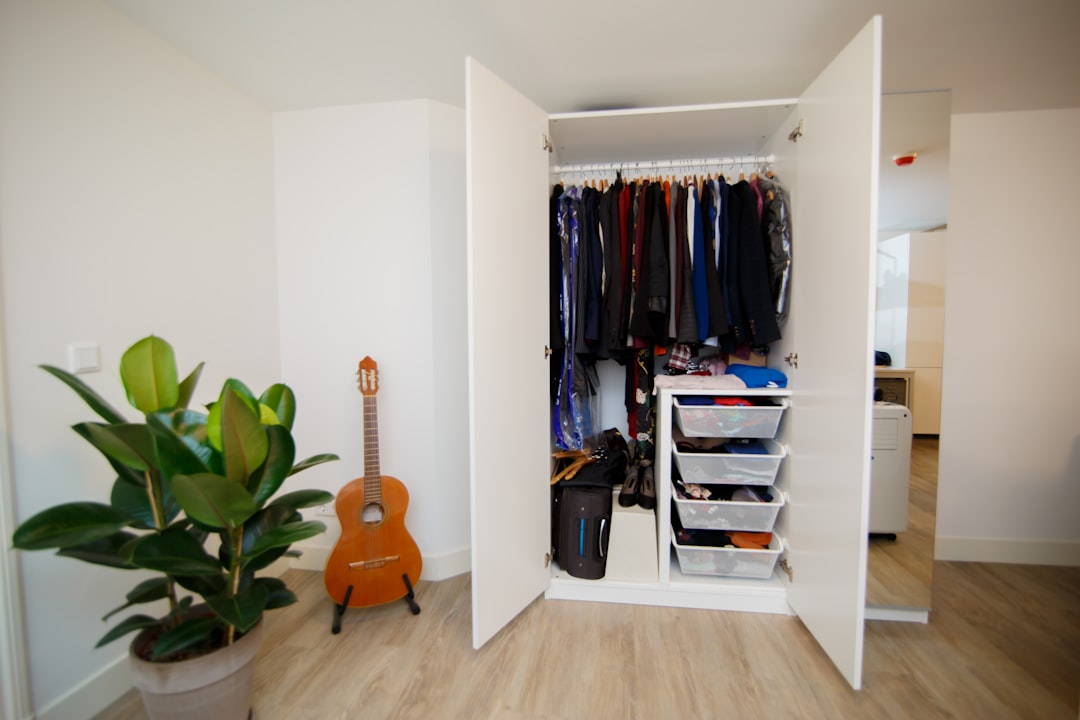
Start with the result you want: an easy-to-use closet you maintain without buying anything
When you organize a closet without buying more storage, the goal is usefulness: everything you wear is visible, accessible and easy to return to its place. Ignore styling, color-coordination trends, and expensive solutions—focus on what you use daily, how you store like items together, and how to remove friction so the closet stays organized.
Quick plan: clear, sort, optimize hanging and shelves, repurpose, and set maintenance rules
This sequence gets you from messy to functional using only things you already have. Read through the steps, then work one small zone (a shelf or half of a rod) at a time so progress doesn’t stall.
Clear the closet so you can see the problem
Work with the closet door open and bring three receptacles: keep, donate/sell, and discard. Pull everything out if the space is small; for larger closets, clear one shelf or one side at a time. You must be able to see every item to judge usefulness.
- Try each questionable garment quickly—if it doesn’t fit, hasn’t been worn in a year, or you feel indifferent about it, move it to donate/sell. Be honest about sentimental items: one small box is fine, a whole shelf is not.
- Shoes: if worn-out, toss; if uncomfortable, donate. Keep only shoes you wear seasonally or regularly.
Group like items so decisions get faster
Sort what you kept into clear categories: tops, pants, dresses, outerwear, activewear, work clothes, pajamas, accessories, and shoes. Within categories, prioritize by frequency (daily, occasional, seasonal).
Grouping reduces decision fatigue when you get dressed and makes it obvious where overflow lives.
Optimize hanging vs. folding based on fabric and use
Decide which items must hang (wrinkle-prone dresses, blazers, coats) and which fold well (knits, t-shirts, jeans). Moving items to the correct storage method frees space and improves visibility.
- If hang space is tight, hang only pants and shirts you wear often; fold the rest on shelves.
- Use uniform hangers you already own when possible—the visual uniformity helps you spot gaps and makes returning clothes easier.

Make shelves and stacks work: visibility and accessibility
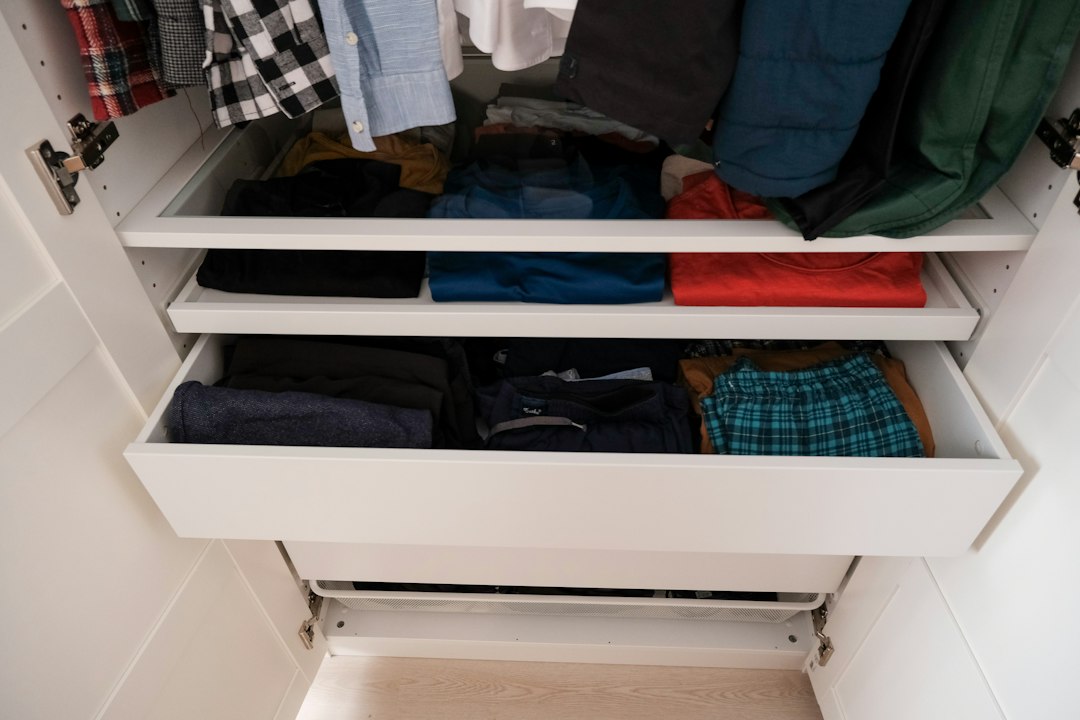
Folded items should be stacked by category and frequency: daily items at eye level, occasional lower, seasonal highest. Avoid high, unstable stacks—two or three piles per shelf keeps things readable.
- Use shallow stacks: fold jeans and tees into similar widths so stacks don’t tumble.
- Turn sweaters or bulky knits sideways (file folding) if you have shallow shelf depth to see each piece’s edge.
Repurpose everyday household items instead of buying organizers
Look around: boxes, shoebox lids, plastic grocery bags, scarves, belts and shoe racks can be repurposed to create zones and containment.
- Shoe boxes keep small accessories separate—cut the lid off a box to turn it into an open tray for scarves or hats.
- Magazine holders (or cereal box panels) stand folded pants or leggings upright for easy access.
- Use a tension rod you already have or a spare hanger to make a second, lower hanging line for shirts if you can install it temporarily.
- Large tote bags or duffels under hanging clothes are perfect for seasonal items you want to keep but not access often.
Make small visibility upgrades that save time
Simple labels on shelf edges (a strip of paper and tape) or grouping items by color within a category can reduce time getting dressed. Flip empty hangers backward to note categories with fewer items so you know what to replace.
Use the floor wisely and keep a clear landing zone
Keep the lowest visible shelf or floor area reserved for shoes you use every week. Stack less-used shoes toward the back or inside boxes. A small basket or reusable grocery bag inside the closet is a good temporary "return" spot for laundry or items that need re-homing.
One product suggestion when your plan needs a simple, proven tool
If you find you need more vertical shelf space but don’t want bulky buys, a hanging fabric shelf from your existing rod is an affordable way to add compartments using what you already have: it creates defined shelf-like cubbies without tools.
Set simple rules so the closet stays organized
Pick one or two maintenance rules you’ll actually follow: a "one-in, one-out" rule for new purchases, a 6-month purge of unworn items, and always returning clothes to their mapped spot the same day. Habits beat storage hacks.
Troubleshooting common constraints
Not enough hanging space
Fold more items and use skirt/pants hangers to stack vertically; repurpose a belt or clip hanger to create a makeshift cascading system for rarely-worn pieces.
Too many shoes
Store out-of-season shoes in a closet corner or under-bed; reserve prime closet floor for everyday pairs. Photograph special shoes before letting them go so you don’t regret donating them.
Closet feels cluttered again after a month
Revisit your categories—often “miscellaneous” is the problem. Create a clear home for that category using a box or bag, then limit its size.
- Empty one shelf or rod and sort into keep/donate/discard
- Group items by category and frequency of use
- Assign hanging only to wrinkle-prone and favorite pieces
- Repurpose boxes, magazine holders or bags for containment
- Reserve closet floor for weekly-use shoes and a return basket
- Schedule a six-month purge and apply one-in-one-out
You can make an organized, usable closet without spending money by decluttering ruthlessly, grouping like items, optimizing which pieces hang, and repurposing household containers. Choose one easy maintenance rule so the improvement lasts.
How often should I purge my closet?
Every six months is practical: at season change check what you wore and remove items you didn’t touch. Quarterly quick-checks help avoid pileups.
What’s the best way to store sweaters without them stretching?
Fold sweaters and stack them on a shelf; avoid hanging knits that can stretch at the shoulders.
How can I make a small closet feel larger?
Reduce items to essentials, keep vertical sightlines clear by using shallow stacks, and use uniform hangers to create visual order.
Are there items I should never keep in a closet?
Items that attract pests (open food, cardboard with residue), damp or mildewed goods, and anything you regularly forget you own should be removed.
Can I organize without any containers at all?
Yes—effective folding, consistent hanger use and a donation routine can create order. Containers help but aren’t required if you commit to the system.