Wishlist
What really makes small bedroom storage work (and what to ignore)
Focus on freeing floor space, using vertical planes, and choosing a handful of multifunctional pieces. Ignore one-off decorative organizers that look good but don’t increase usable capacity—if it can’t hold folded clothes, shoes, bedding or daily items, it’s not storage in a tiny room.
Quick wins you can do this weekend
- Clear the floor first: remove anything that isn’t furniture or in current use; donate or box seasonal items.
- Install three floating shelves above the bed or a chair for books, alarm clock and a small lamp—this reclaims a nightstand footprint.
- Swap bulky hangers for slim velvet ones to gain inches across a crowded rod immediately.
1. Under-bed boxes and drawers—use the most overlooked space
Under-bed storage is the biggest capacity win in a small bedroom. Use low-profile rolling boxes for shoes, off-season clothes or spare linens. If your bed has clearance, plastic pull-out drawers keep items dust-free; a slatted platform with containers works if you want airflow.
2. Go vertical with a narrow tall dresser or wardrobe
Choose height over width: a tall, narrow dresser gives the same volume but takes less floor. Place frequently used items at mid-height; reserve top drawers for infrequent items. If a freestanding option won’t fit, consider an anchored closet system.
3. Storage bench at the foot of the bed
A bench with a lift-top or internal compartment gives a dual function—seating plus a place for extra bedding or shoes. Measure to ensure it doesn’t block pathways; a depth of 14–18 inches often works for small rooms.
4. Floating shelves and ledges for small items
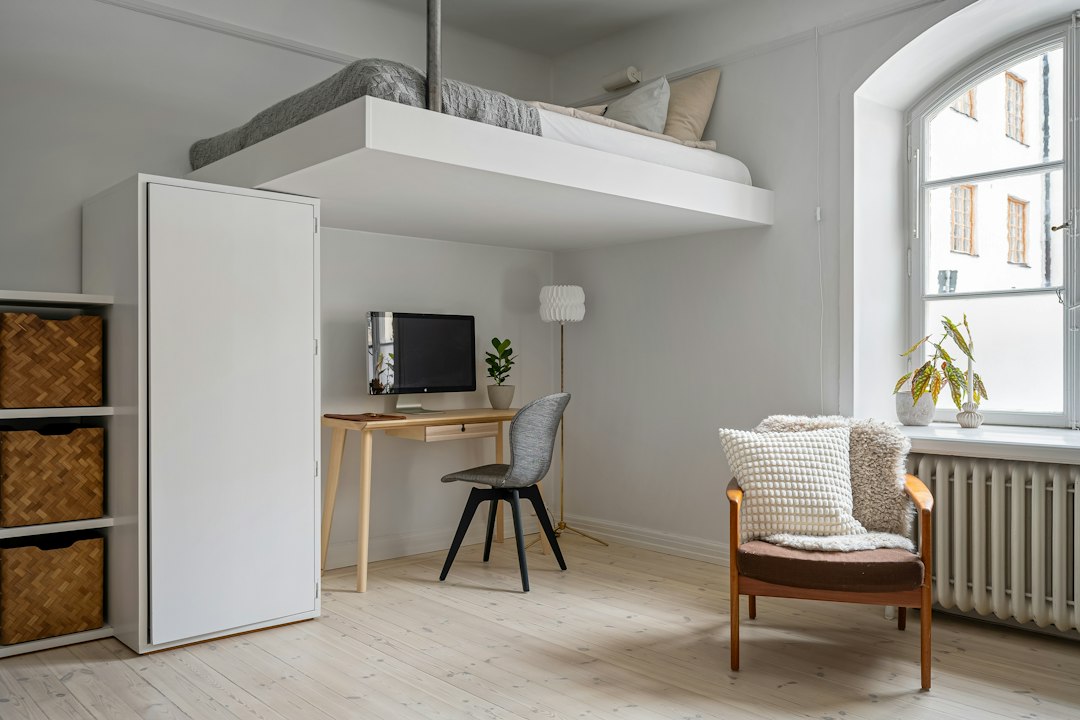
Floating shelves don’t need deep mounting and can be arranged asymmetrically to fit between windows or above doors. Use ledges for framed photos, daily jewelry dishes and one or two books instead of crowded tabletop clutter.
5. Use the back of the door: hanging organizers and racks
Over-the-door shoe organizers are ideal for accessories, shoes or cleaning supplies. Choose clear pockets or labeled fabric pockets so you can see contents without sifting.
6. Wall-mounted bedside alternatives
Replace a bulky nightstand with a wall-mounted shelf or small wall lamp with a built-in shelf—keeps essentials within reach while freeing floor area for a slim hamper or basket.
7. Multi-use furniture—make each piece earn its place
Pieces that combine functions—desk that folds into a shelf, bed with built-in drawers, or a vanity with cubbies—reduce the number of items you need. Prioritize furniture that stores what you currently lack space for, not what would be nice.
8. Closet editing and zones—work smarter with what you have
Audit the closet: remove anything unworn for a year. Use slim hangers, a double-hang rod to split shirts and pants, and shelf dividers for sweaters. Hanging shoe nets or clear boxes keep shoes visible and off the floor.
9. Hanging shelves and cube towers inside the closet
If floor space in the bedroom is tight, bring storage into the closet with hanging fabric shelves or a narrow cube tower. These are inexpensive and can be moved seasonally.
10. Corner shelving or a slim bookshelf
Corners are dead space unless you use them. A narrow triangular shelf or corner-mounted ladder shelf holds books, baskets and plants without protruding into walkways.
11. Clear containers and labels for visual control
In small rooms, visibility prevents duplicate purchases and clutter buildup. Use clear bins or label opaque boxes so you can find socks, craft supplies or chargers quickly—this cuts decision friction when you’re short on space.
12. Pegboards and wall hooks for accessories
Mount a small pegboard to hang necklaces, hats, belts and a daily bag. Hooks keep items visible and off horizontal surfaces—perfect near the door or over a dresser.
13. Fold-down desk or Murphy-style solutions
If you need a workspace, choose a fold-down desk that tucks away when not in use. Some models include cubbies for chargers and stationery so loose items don’t spread across the room.
14. Rotate seasonally and store offsite if needed
Adopt a seasonal rotation: keep current-season clothes in easy reach and vacuum-seal or box the rest. If storage is still tight, consider a small offsite locker or communal storage for bulky items like extra bedding.
15. Small changes in habits that protect your space
Make small routines: a nightly five-minute tidy, a “one-in, one-out” rule for new purchases, and a dedicated bin for items that don’t belong to the bedroom. Habits sustain storage investments.
The OLIXIS 9-drawer dresser is a compact, vertical option when you need more drawer capacity without wide footprint—great for narrow bedrooms and for keeping small items contained.
- Measure floor-to-ceiling and door swing before buying furniture.
- Sort items into keep, donate, seasonal and trash piles.
- Decide which items need daily access and which can be stored away.
- Choose at least one multifunctional piece (bench, bed, or desk).
- Plan vertical placements: shelves, hooks or tall dressers.
Start with a floor clearing and add one high-impact storage piece—under-bed drawers or a tall dresser—then layer in vertical shelves, hooks and routine habits. Small bedrooms don’t need more stuff; they need smarter placement.
What is the best use of under-bed storage?
Store flat, seasonal or infrequently used items—out-of-season shoes, spare bedding, and boxes of keepsakes—using low-profile rolling bins for easy access.
How do I choose between a tall dresser and a wide one?
Pick a tall dresser if floor space is limited but ceiling height is standard; choose a wider dresser only if you need a larger top surface and have the floor room.
Are floating shelves strong enough for books?
Yes, when anchored to studs or using heavy-duty wall anchors; limit shelf depth to 8–10 inches to avoid a heavy overhang in narrow rooms.
Can I create closet space without buying organizers?
Yes—edit out unused items, rehang with slimmer hangers, fold heavy sweaters on shelves, and use baskets to corral small accessories for instant improvement.