Wishlist
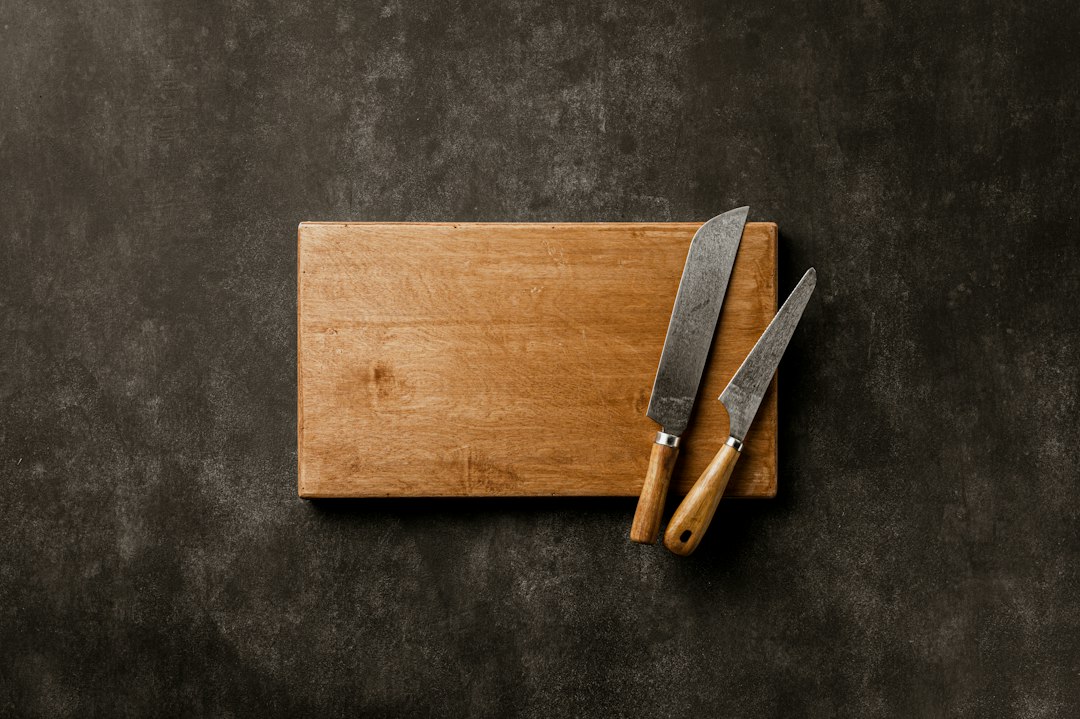
You’re making dinner and reach for a knife—now what?
Most home cooks don’t need a closet full of blades, but they do need the right tool for the job. Use these kitchen knife basics to match each common knife to familiar tasks, so you stop struggling with a dull or poorly chosen blade and get faster, safer results.
Quick answer: which knife does what
Start here: a chef’s knife (8–10") does most work—chopping, dicing, mincing. A paring knife handles small, precise jobs like peeling and trimming. A serrated/bread knife slices crusty bread and soft fruits without squashing them. A santoku is a shorter, flatter alternative to a chef’s knife good for push-cutting. A utility knife sits between paring and chef’s sizes for sandwiches and small cuts. A boning knife has a narrow, flexible blade for removing bones and trimming meat. That’s the functional map; read on for why and when to choose differently.
Chef’s knife: your everyday workhorse
Why it matters: the chef’s knife is designed for rocking and chopping across a broad blade. Use it for vegetables, herbs, boneless meat, and most prep that needs speed and control.
- Typical length: 8–10 inches; choose what feels balanced in your hand.
- When to use: slicing onions, dicing carrots, mincing garlic, cutting boneless chicken breasts.
- When not to: avoid while trimming bones or cutting very small items—reach for a boning or paring knife instead.
Paring knife: the precision tool
Why it matters: short and nimble, a paring knife lets you work close to the food for peeling, coring, segmenting citrus, deveining shrimp, and detailed decorative cuts.

- Typical length: 2.5–4 inches.
- Tip: use a paring knife rather than a chef’s knife for any job that demands fine control or could be dangerous with a large blade.
Serrated/bread knife: teeth that protect shape
Serrations bite through crusts and skins without crushing soft interiors. Use this blade for bread, tomatoes, citrus and ripe stone fruit, and even carving roasts when the crust is tough.
- Tip: a long serrated knife slices cleanly with a gentle back-and-forth motion—don’t press hard.
- Maintenance: serrated edges are harder to sharpen at home; consider professional sharpening when needed.
Santoku: the Asian-style alternative
Santoku (meaning “three virtues”) is typically 5–7 inches with a flatter profile and sometimes scalloped (Granton) dimples. It excels at quick push-cutting and thin slicing—great for veggies, fish, and thin cuts of meat.
- Use it if you prefer straight down chopping or day-to-day prep in a smaller kitchen where an 8–10" chef’s knife feels large.
- Note: santoku often has a shorter heel, so larger rocking cuts can be slightly less comfortable than with a chef’s knife.
Utility knife: the “in-between” blade
Utility knives (5–7 inches) are handy when a paring knife is too small and a chef’s knife is too large—cutting sandwiches, slicing cheese, trimming small roasts, and weekend grilling tasks.
Boning and fillet knives: specialized flexibility
Boning knives have narrow, often flexible blades to navigate around bones and under skin. Fillet knives are similar but usually longer and more flexible for fish. Use them for trimming fat, deboning poultry or filleting fish—don’t force a chef’s knife into these jobs or you’ll lose yield and precision.

Other useful blades: cleavers, tomato knives, and carving knives
Cleaver: heavy, broad blade for chopping through joints and crushing garlic. Use it only if you regularly work with whole chickens or want to prepare large chops.
Tomato knife: small serrated blade for neat tomato slices without tearing. Carving/slicing knife: long narrow blade for thin, even slices of roast, ham or turkey—useful at holidays or when you often slice roasts for sandwiches.
How to decide what to buy (simple set for most cooks)
For most kitchens, the sensible minimal set is: one 8" chef’s knife, one paring knife, and one serrated/bread knife. Add a santoku if you prefer its shape, or a boning knife if you handle whole poultry or frequent butchery. A utility knife is optional if you want extra flexibility.
Quick care, sharpening and safety notes
- Sharpening: keep a chef’s knife sharp with regular honing and an occasional sharpening (stone or professional). Serrated knives need less frequent but professional or specialized sharpening.
- Washing: hand wash and dry knives—dishwashers dull and damage handles.
- Storage: use a knife block, magnetic strip, or in-drawer tray to protect edges and fingers.
- Safety: always cut on a stable cutting board and curl fingertips under while holding food.
Product recommendation to simplify shopping
If you want one ready-made set to cover the basics without buying blades separately, a mixed knife set that includes an 8" chef’s knife, paring knife and serrated knife is the easiest route.
When to add specialty knives
Add a specialty blade only when you genuinely need it often: boning/fillet for regular fish and poultry prep, carving for frequent roasts, or a cleaver if you butcher at home. Otherwise the core three or four knives will handle most cooking tasks and save space and maintenance work.
- Will this knife handle the majority of my weekly prep (yes = buy a good chef’s knife)?
- Do I do small precision work that requires a paring knife?
- Do I slice crusty bread or tomatoes regularly (serrated needed)?
- Do I need a boning or fillet knife for frequent meat/fish work?
- Do I have safe storage and a plan for sharpening?
Match function to frequency: one high-quality chef’s knife plus a paring and serrated knife will cover most home cooks’ needs. Add specialty blades only for recurring tasks that require them.
Do I need both a chef’s knife and a santoku?
No—both cover similar tasks. Choose the shape that feels best: chef’s for rocking chops, santoku for a shorter push-cut style.
How often should I sharpen my knives?
Hone weekly for home cooks and sharpen on a stone or professionally a few times a year, depending on use.
Can a serrated knife replace a chef’s knife?
No—serrated knives are for slicing soft or crusty items; they’re inefficient for chopping and dicing.
Is an expensive knife worth it?
Invest most in the chef’s knife because it gets the most use; midpriced options can be excellent if well made and properly maintained.
How should I store knives safely?
Use a block, magnetic strip, or in-drawer tray to protect edges and keep blades out of drawers loose with other utensils.