Wishlist
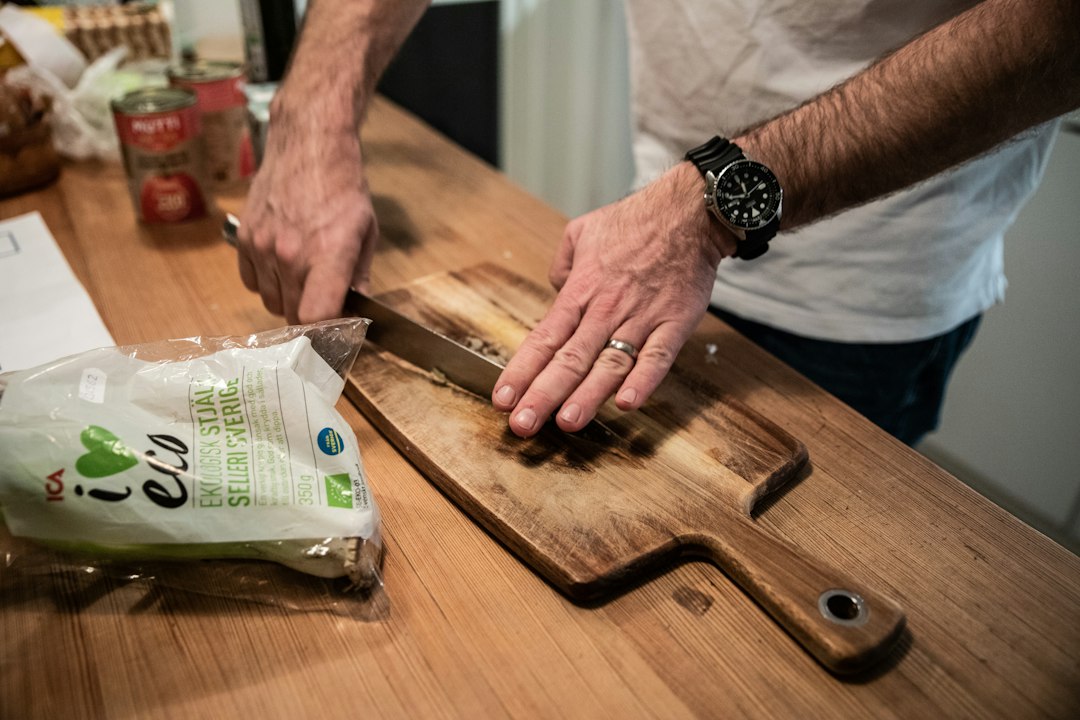
Short answer: To keep cutting boards safe and long‑lasting, wash them promptly with hot soapy water after each use, sanitize when needed, oil and sand wooden boards periodically, and never soak or leave them in the dishwasher unless the manufacturer says it’s safe. The exact steps differ by material—wood (including bamboo), plastic, stainless steel and titanium—so treat each type accordingly.
What you’ll accomplish and why it matters
Following the process below removes food residue, kills bacteria, prevents odors and stops small nicks from becoming deep grooves that harbor pathogens. The result: safer meal prep, fewer replacements, and boards that look and perform better for years.
Immediate cleanup: wash right after use
Clean cutting boards the moment you finish using them. For all materials, scrape or brush off scraps, then rinse briefly to remove loose debris.
- Plastic, stainless steel and titanium: wash with hot water and dish soap using a scrub brush or textured sponge. Rinse and towel dry or air dry upright.
- Wood and bamboo: use warm (not scalding) water and mild dish soap. Scrub gently with a sponge or brush, rinse quickly, and dry immediately with a towel—then stand upright to finish drying. Avoid soaking wood.
Sanitize when you cut raw meat, fish or after strong odors
Sanitizing is separate from cleaning. Use one of these safe methods when preparing raw poultry, pork, or seafood or when boards begin to smell:
- Bleach solution: 1 tablespoon of unscented household bleach per gallon of water. Apply briefly, then rinse thoroughly and dry. Use sparingly—not for frequent routine care of wood.
- Vinegar or hydrogen peroxide: spray undiluted white vinegar or 3% hydrogen peroxide, let sit 2–5 minutes, then rinse. Good for odor control and safe on wood more often than bleach.
- Salt and lemon: for light sanitizing and deodorizing on wood, sprinkle coarse salt, rub with half a lemon cut side down, then rinse and dry.
Only put boards in the dishwasher if the manufacturer explicitly says they are dishwasher-safe. High heat and prolonged water exposure can warp, crack or delaminate wood and some composites; plastic boards may warp over time in lower-quality sets.
Deep cleaning and stain removal
For persistent stains, odors or sticky residue:
- Baking soda paste: mix baking soda and water to a paste, scrub into stains, let sit 5–10 minutes, then rinse.
- Vinegar soak (plastic/metal only): 1:1 vinegar and water for 10–15 minutes loosens stains; rinse afterward.
- Bleach dip (plastic): a brief soak in diluted bleach will remove stains and microbes—never bleach wood.
Repairing scratches and gouges
Shallow knife marks are normal. Deeper grooves should be smoothed to prevent trapping bacteria.
- Plastic boards: sand lightly with fine-grit sandpaper until smooth; wash and sanitize afterward.
- Wood boards: sand with 120–220 grit sandpaper along the grain to level the surface, wipe away dust, then condition with oil (see below).
- Extensive damage: replace boards with deep, permanent cuts that can’t be sanded out safely.
Conditioning wood and bamboo boards
Wood needs periodic oiling to stay water-resistant and crack-free. Mineral oil or a board-specific conditioner (food-safe mineral oil or a beeswax/mineral oil blend) is best; avoid vegetable oils that can go rancid.
- Ensure the board is clean and fully dry.
- Apply a liberal amount of mineral oil with a clean cloth, rub into the surface and edges, and let soak for several hours or overnight.
- Wipe off excess oil. Repeat monthly for heavy users or every 3 months for occasional use.
For boards that get heavy use, a beeswax sealant after oiling can add extra protection.
Daily drying and storage to prevent warping and mold
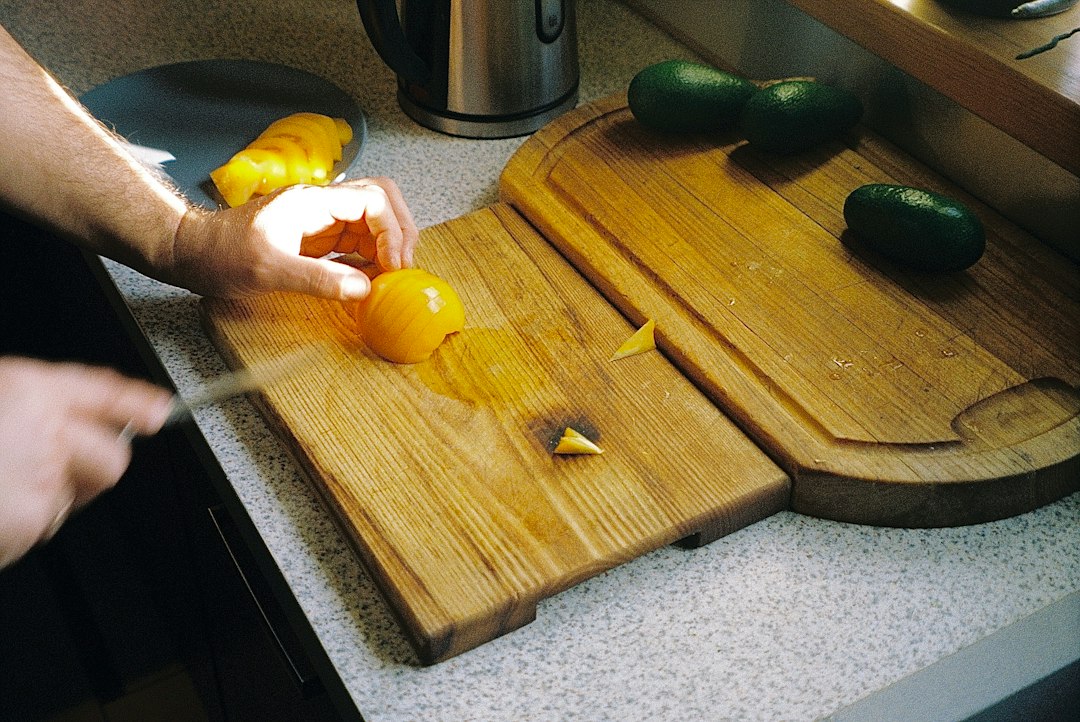
Drying is critical—especially for wood. Stand boards on edge or use a dish rack so air can circulate on both sides. Avoid stacking wet boards or tucking them flat under a pile of dishes. For long-term storage, keep wood boards in a dry, ventilated cabinet.
Material-specific care at a glance
- Wood (maple, walnut): No soaking, oil regularly, sand if needed, avoid dishwasher.
- Bamboo: Similar to wood—more brittle, so avoid excessive moisture and oil frequently to prevent splitting.
- Plastic (HDPE, polypropylene): Dishwasher-safe if labeled so; can be sanitized with bleach; replace when deep grooves form.
- Stainless steel and titanium: Very durable—dishwasher-safe and nonporous, but can scratch; clean with dish soap and baking soda for stuck-on residue.
When to replace your cutting board
Replace a board when:
- Deep grooves and knife marks can’t be sanded out.
- Persistent odors, staining or visible mold remain after cleaning.
- Warping or cracking compromises stability or allows liquids to pool.
Practical tool recommendation
If you want an all-purpose, durable everyday set that minimizes replacement and cleaning hassle, consider a top-rated titanium or high-quality plastic board for raw meat plus a wooden board for vegetables and bread. For many readers, this combination balances safety with care needs.
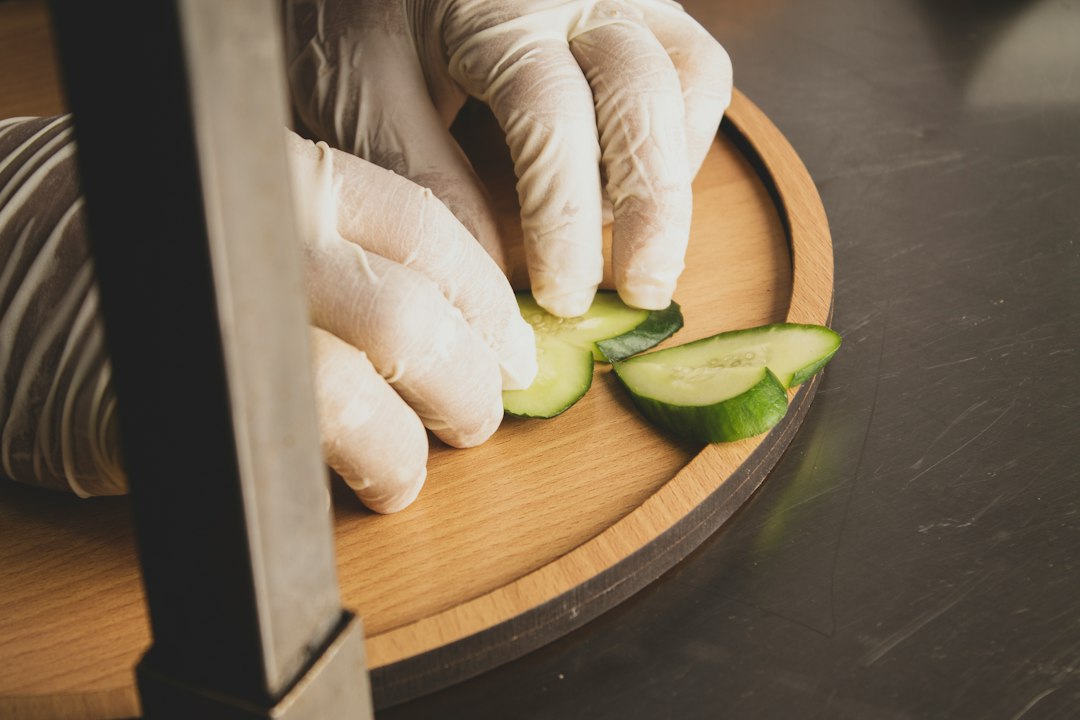
- Wash boards immediately after use with hot, soapy water.
- Sanitize after raw meat, fish, or strong odors (vinegar or diluted bleach for plastic).
- Oil wooden/bamboo boards every 1–3 months based on use.
- Sand out deep scratches on wood; replace plastic boards with permanent grooves.
- Dry boards upright; never soak wood or leave it in the dishwasher unless allowed.
Clean boards promptly, sanitize when handling raw proteins, and maintain wood boards with regular oiling and occasional sanding. Use material-appropriate care to extend life and reduce food-safety risks.
Can I use dish soap on wooden cutting boards?
Yes—use warm water and mild dish soap, scrub gently, rinse quickly and dry immediately; avoid soaking. Dish soap won’t harm wood if rinsed thoroughly.
How often should I oil a wooden cutting board?
Oil monthly with heavy use, or every 2–3 months for occasional use. Oil when the board looks dry or water beads rather than absorbing.
Is bleach safe on cutting boards?
Diluted bleach is safe for sanitizing nonporous plastic boards; avoid using bleach regularly on wood as it can dry and damage the fibers.
Can I disinfect a wooden board with vinegar?
Yes—white vinegar is a gentle disinfectant suitable for wood and good for removing odors; follow with a rinse and quick drying.
How long should I keep a cutting board?
With proper maintenance, a wooden board can last many years; plastic boards should be replaced when knife grooves are deep or after persistent staining and odors.