Wishlist
Start by picturing the end: a calm, usable bathroom
Most people assume organizing a bathroom just means clearing the sink—but the real result you want is a space where daily routines are faster and surfaces stay clear for weeks, not days. To organize a bathroom effectively, remove friction: put daily items where you use them, store backups out of sight, and pick storage that fits your room’s exact nooks.
Quick preparation: empty surfaces and gather supplies
Begin with a short sweep: clear the vanity, top of the toilet, and any open shelving. Place everything on a towel or nearby table so you can sort. Bring four containers or boxes labeled: Keep (daily), Stash (infrequent/seasonal), Toss (expired/damaged), and Relocate (belongs elsewhere).
How to organize a bathroom—practical sequence
1. Decide zones by activity
Assign areas for morning face care, evening routines, hair tools, shower items, and cleaning supplies. A clear zone map (even mental) prevents toothbrushs ending up with hair tools or cleaners stored on open shelves where guests see them.
2. Keep only daily essentials on the counter
Limit countertop items to 3–6 pieces you use every day: cleanser, toothbrush, hand soap, and maybe a daily moisturizer. Use a small tray or shallow dish to corral them; this keeps the surface tidy and makes wiping the counter simple.
3. Use the right vertical storage for spare and bulk items
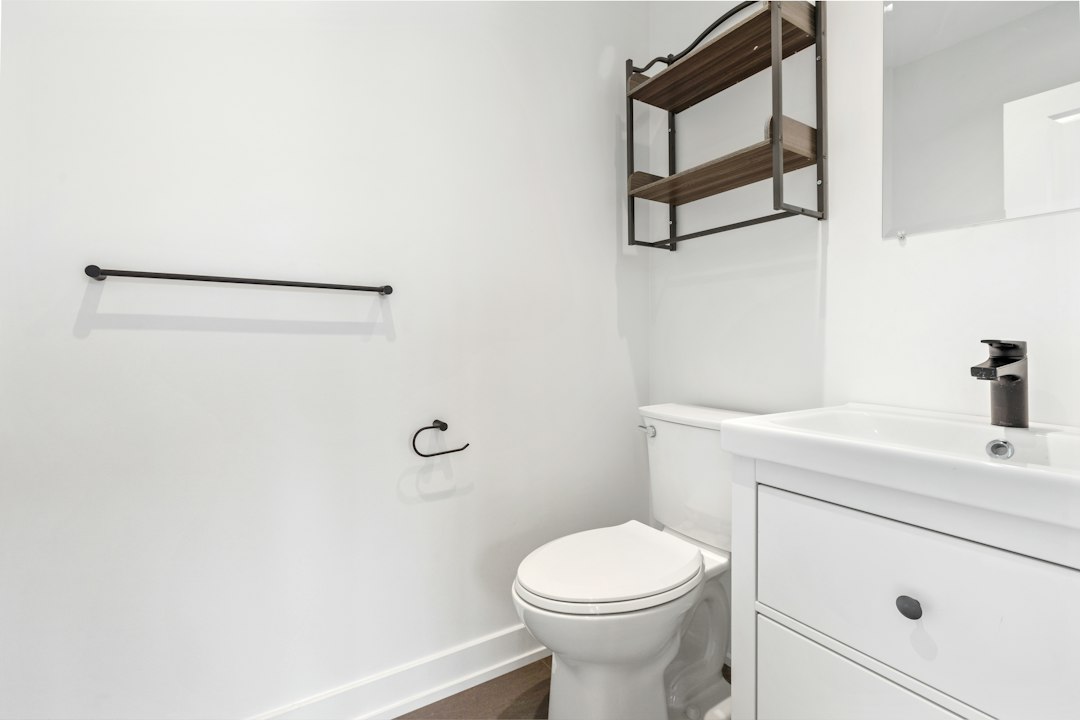
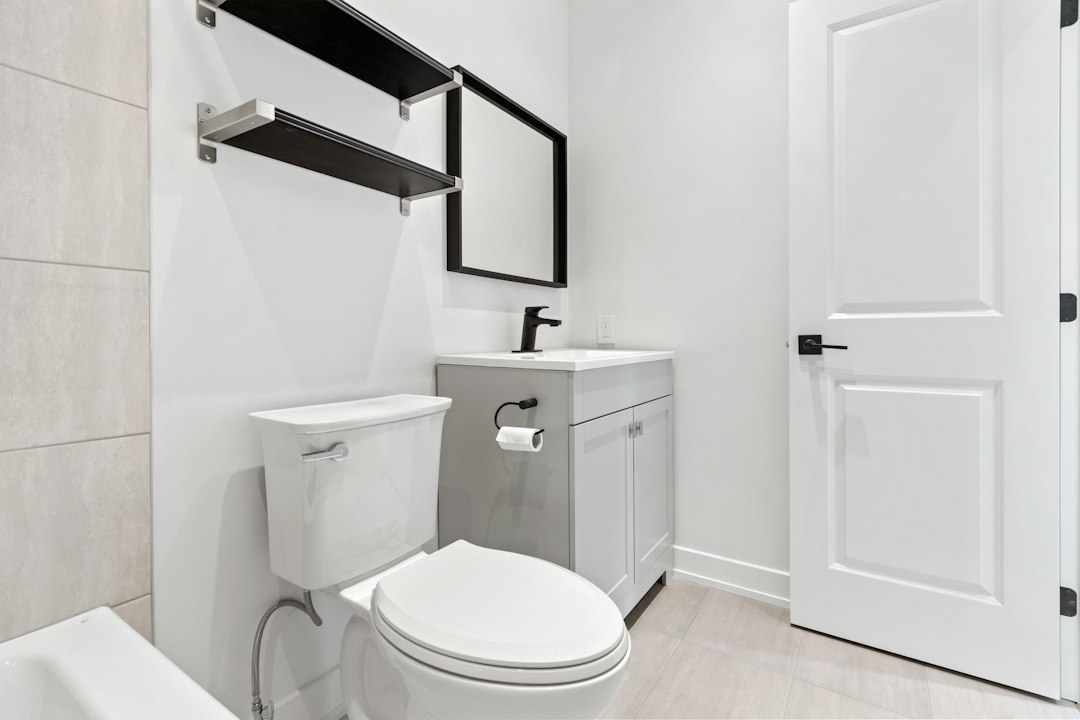
If you have unused space above the toilet, add an over-the-toilet shelf to hold extra toilet paper, towels, and baskets of toiletries. These units make the most of vertical gaps and keep spares accessible but out of sight.
4. Rework under-sink storage for visibility and access
Pull everything out of the cabinet. Put frequently used items in front and cleaners or extra supplies in the back. If the space is deep or awkward, a sliding under-sink organizer or stackable pull-out bins convert messy piles into accessible layers so you won’t dig and knock things over.
5. Tackle shower clutter with one rule: product to use
Keep 1–2 bottles per person in the shower. Move extras to a towel closet or an upper shelf. Use a fixed shower caddy or a suction-hang basket that separates shampoo, conditioner, and soap—grouping by product type reduces the “which bottle is mine?” shuffle and limits spills.
6. Consolidate small items into containers
Small items like cotton swabs, travel-size toiletries, and cosmetics belong in clear jars or labeled baskets. Transparent containers make it easy to see stock levels and reduce overbuying. Reserve a shallow drawer organizer for makeup and hair ties so they don’t scatter across the sink.
7. Use hooks and racks for towels and robes
Wall-mounted hooks, a towel bar, or a slim over-the-door rack frees up shelf space and keeps towels airing between uses. Place hooks near the shower exit and a robe hook near the door for convenience.
8. Reclaim the medicine cabinet as a true cabinet
Medicine cabinets are often a catch-all. Dedicate top shelves to infrequent items (first-aid, backups) and keep daily meds at eye level in the middle. Dispose of expired medicines safely and keep a small tray for daily pills so you don’t leave bottles scattered.
Maintenance: make a small weekly reset
Spend five minutes once a week clearing the countertop, returning stray items, and restocking whatever ran low. A short habit prevents another big, time-consuming purge.
Troubleshooting and adaptations
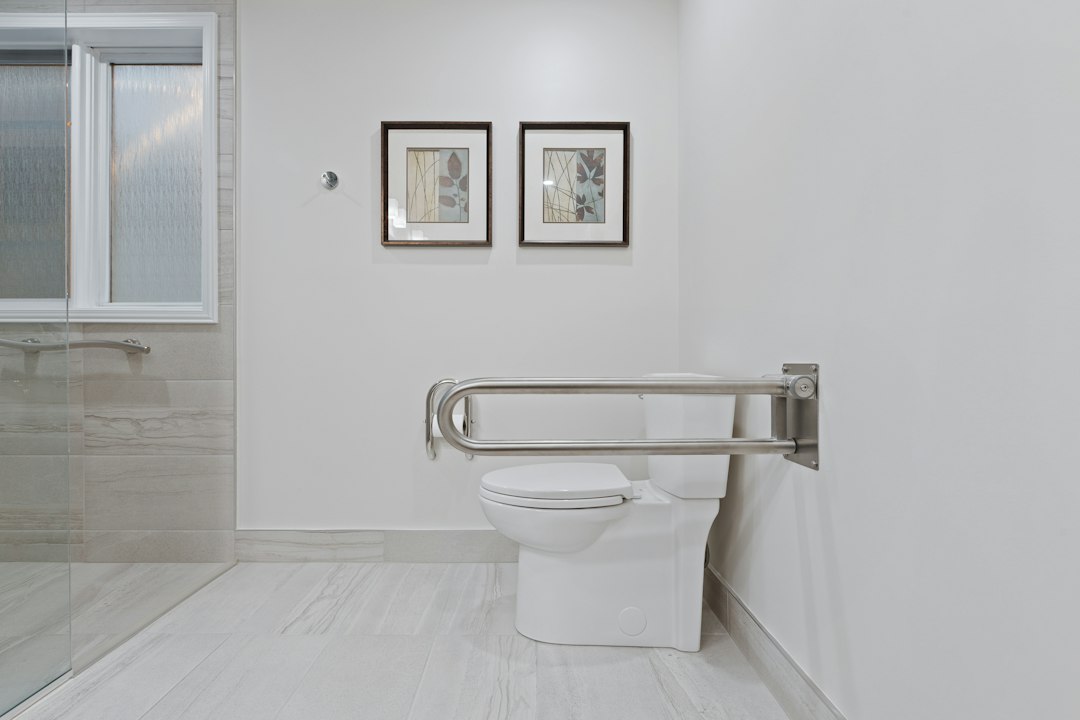
- No room above the toilet: Use slim gap storage carts or magnetic organizers on the side of the vanity for extra rolls and small items.
- Rental rules prevent drilling: Opt for tension rod shelving in a shower, adhesive hooks, or freestanding over-the-toilet racks that don’t require hardware.
- Multiple users with different routines: Assign a basket or drawer per person and label it—this keeps products separate without argument.
Where to spend vs. save
Spend on a good under-sink organizer or a sturdy over-the-toilet shelf if your bathroom lacks built-in storage—these items deliver daily convenience. Save by using inexpensive baskets and jars for grouping, and repurpose small boxes for drawer dividers.
One recommended purchase that often solves the biggest problem
If your bathroom needs vertical storage without remodeling, an over-the-toilet shelf is a compact, high-impact solution that stores towels, spare toilet paper, and baskets for toiletries while keeping counters clear.
Related reading
For compact-space ideas and container strategies that translate well to bathrooms, see how to make a small home feel more organized and how to organize food storage containers without the mess.
- Clear counters and sort everything into Keep, Stash, Toss, Relocate.
- Map functional zones: morning, shower, hair tools, cleaning supplies.
- Add vertical storage if spare shelves are needed (over-the-toilet, narrow cart).
- Put daily items within arm’s reach; move backups to labeled baskets.
- Install hooks for towels near the shower and robe area.
- Schedule a five-minute weekly reset on your calendar.
Creating a more organized bathroom is less about buying everything new and more about assigning clear zones, using the right form of storage (vertical shelves, under-sink pull-outs, shower caddies), and committing to a short weekly reset. One targeted purchase—like an over-the-toilet shelf—often unlocks the rest.
How often should I declutter bathroom products?
Do a quick purge every 3–6 months for expired products and duplicates; rinse with a five-minute weekly reset to keep counters tidy.
What’s the best storage for a tiny bathroom?
Use vertical solutions (over-the-toilet shelves, slim rolling carts), adhesive hooks, and small baskets to maximize limited footprint.
How do I store medications safely?
Keep medicines in a closed cabinet away from moisture and direct heat, and dispose of expired items through local take-back programs.
Can I organize a bathroom without buying anything?
Yes—group items, relocate non-bathroom belongings, repurpose jars and boxes for small items, and rearrange shelves for better visibility.
What’s a quick fix for shower clutter?
Remove extras and keep one bottle per product type in a caddy; store backups in a closet or high shelf to avoid overcrowding.