Wishlist

Start with the outcome: a cabinet or drawer where containers and lids are matched, easy to grab, and actually put away
What matters when you organize food storage containers is speed of use and long-term maintainability. Ignore decorative matching or buying a full new set unless your current mix is warped, stained, or missing seals. Focus on three practical goals: reduce duplicates, separate lids from bases smartly, and create a consistent home (stacking, drawer tray, or shelf) so everyone can return items correctly.
Quick audit: decide what stays and what goes
Pull every container and lid from the storage area onto a counter. You want a realistic pile you can finish in 15–30 minutes.
- Discard cracked, greasy, warped, or permanently stained pieces—these harbor bacteria and rarely get used.
- Keep versatile, non-chipped, airtight containers that nest or stack well (clear plastic or glass are best for visibility).
- Donate excess single-use takeaway tubs or mismatched lids if they’re in decent shape; recycle plastics marked for recycling if your program accepts them.
Create simple categories so you can find things quickly
Sort the keepers into three groups: nested bases (by shape), lids, and special-use items (bento, Pyrex, large pitcher, vacuum-seal pieces). Use only as many categories as you’ll maintain—three to five is plenty.
Choose the right home: drawer vs. cabinet vs. shelf
Decide by frequency and types you use most:
- Drawers work best for lids and flat stacks of matched sets—easy to pull out and scan.
- Upper cabinets are good for lightweight, less-used nesting plastics.
- Lower cabinets with pull-out trays are ideal for heavier glass containers and frequently used meal-prep sets.
Make lids manageable without chaos
Lids are the usual mess. Two reliable approaches:
- Keep lids in a shallow drawer with adjustable dividers or a simple lid organizer so sizes are visible and upright.
- Alternatively, mount a vertical lid rack or use a file sort rack inside a cabinet door to store lids by size—this uses dead space and keeps lids accessible.
Whichever you choose, pair lids to bases when you put items away: return the base nested and slide the matching lid into its slot before closing the drawer.
Create stable stacks and nesting groups
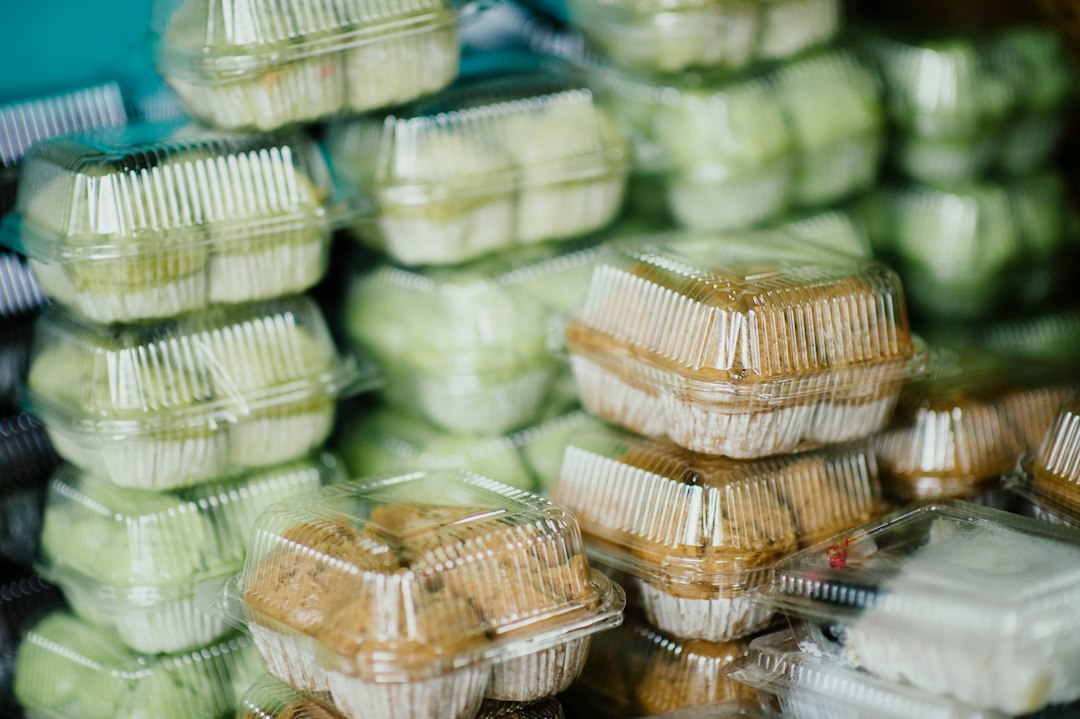
Group bases by shape: round with round, rectangular with rectangular. Nest smaller into larger only within the same family to avoid toppling. Stack to a safe height—usually 4–6 nested pieces—so the pile doesn’t collapse when you slide a container out.
If you have many single-size containers (meal prep) keep them together and store lids directly above or beside that stack for one-handed retrieval.
Label sensibly for everyday use
Labels are less about identifying the container than about habit: mark drawer or shelf zones (e.g., “Lids,” “Meal Prep,” “Glass Sets”). Use low-profile labels or masking tape—no need for permanent ones unless you like the look. For long-term storage items (holiday bowls, canning jars), label sizes or intended use.
One product that helps most households
If your biggest struggle is unmatched lids and bases, a dedicated set of nesting airtight containers can immediately simplify storage and reduce the pile. For most readers, a high-quality set that nests and has uniform lids is the fastest fix.
Daily habits that keep the system working
Small behavioral rules prevent relapse:
- Return the lid before returning the base. Make it the default: lids go in the drawer first, then the stacked base in the cabinet.
- Don’t store open boxes of food in random containers—transfer to a proper container or recycle the box to avoid lid clutter.
- Set a 10-minute monthly tidy: scan for missing lids, cracked pieces, or items that should be donated.
Troubleshooting common problems
- If lids keep disappearing: dedicate a single, visible lid drawer and enforce the “lid-first” return rule for two weeks.
- If stacks topple: reduce stack height or add non-slip liners on shelves and inside stacks to increase friction.
- If cabinets feel crowded: remove rarely used items to a different room or the pantry and keep daily-use containers within easy reach.
Adapting the plan for small kitchens
In tiny kitchens, prioritize drawer storage for lids and use vertical space: install an over-the-shelf riser, hang a magnetic knife-rail-mounted lid rack, or use stackable bins inside a deep cabinet. Consider keeping only one matched portable set for daily use and nesting the rest in a labeled box under a bed or in a pantry.
When to replace vs. reorganize
Replace whole sets if many pieces no longer seal, have warped lids, or you frequently waste food because seals fail. Reorganize when the problem is simply mismatched storage and habit—sorting, one dedicated lid location, and a nesting strategy are usually enough.
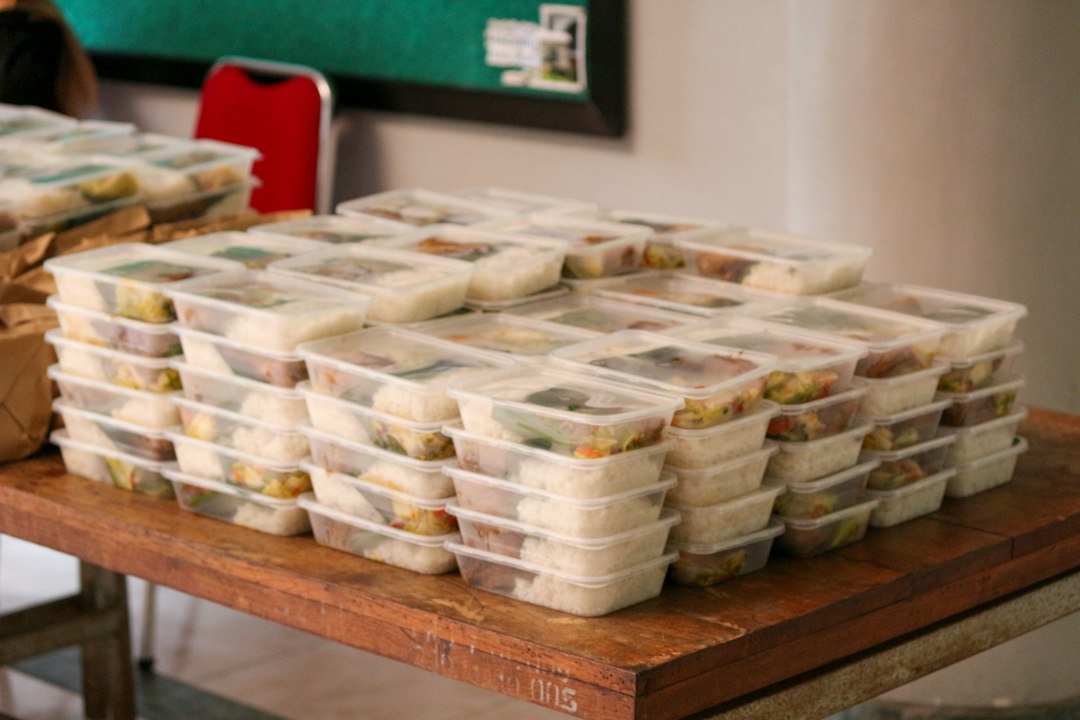
- Declutter damaged or stained pieces.
- Group bases by shape and nest safely.
- Put lids in one visible drawer or vertical rack.
- Label shelf/drawer zones for quick returns.
- Adopt the “lid-first” return habit for two weeks.
- Schedule a 10-minute monthly tidy.
Organize food containers by reducing duplicates, corralling lids into one accessible spot, and creating a predictable stack or drawer home. A single quality nesting set can dramatically simplify storage and habit-forming makes the organization stick.
Should I keep lids with the bases or separate them?
Separate lids in a shallow drawer or vertical rack for visibility, but always return the matching lid to its slot when you put the nested base away to maintain order.
Are glass containers better than plastic for storage?
Glass resists staining and retains seal integrity longer, but it’s heavier. Use glass for reheating and long-term storage, plastic for lightweight, frequent-use situations.
How do I store odd-shaped lids or containers?
Designate a “special-use” bin or high shelf for odd shapes and label it; keep only as many odd pieces as you regularly use.
What’s the best way to find matching lids quickly?
Sort lids by size in a drawer with dividers or use a vertical file-style rack on the inside of a cabinet door so sizes are visible and upright.
How often should I replace food storage containers?
Replace when lids no longer seal, pieces are cracked, or staining/odors persist despite cleaning—otherwise, follow the monthly tidy to keep the set usable.