Wishlist
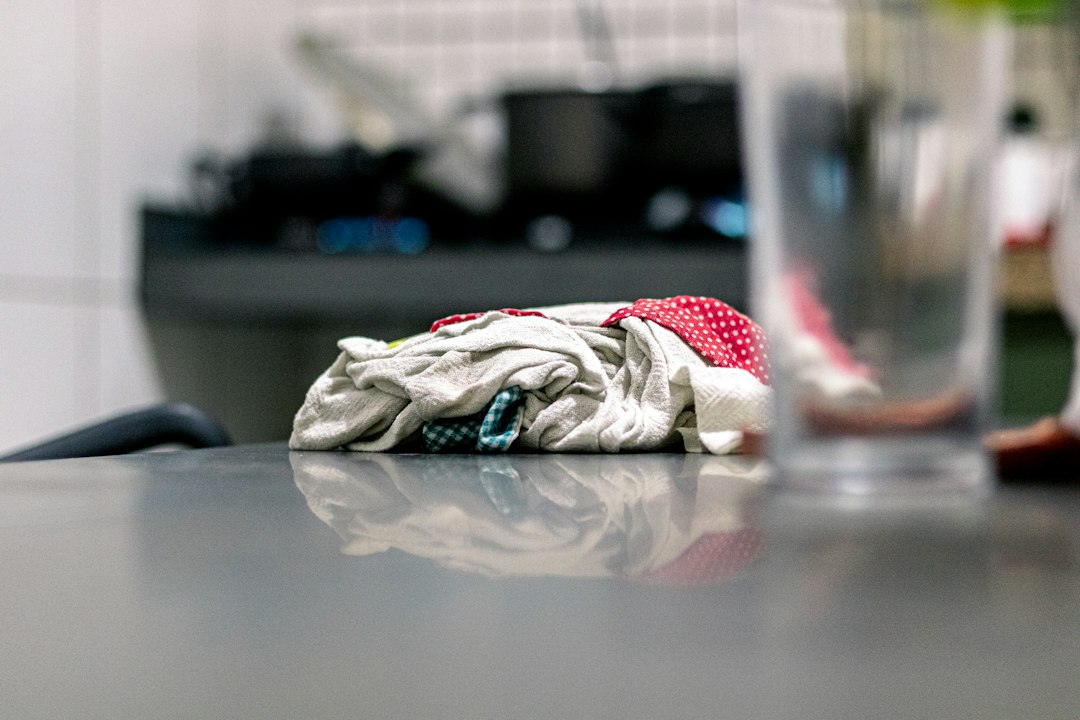
When you walk in and see dishes in the sink, a coffee ring on the table and a pile of laundry by the door
That familiar little stack of "I'll deal with it later" rarely disappears on its own. To stop the catch-up weekends and constant small stresses, the clearest answer is a predictable, short weekly plan you can actually finish. Below is a practical routine to keep your home clean every week, with clear choices about timing, tools and what to skip when life gets busy.
Quick answer: a 60–90 minute weekly session plus 10–15 minute daily habits
Do a single focused weekly clean (60–90 minutes) that covers deeper tasks and a quick daily mini-routine (10–15 minutes) to stay ahead. The weekly session targets floors, bathrooms, kitchen surfaces, and one declutter area. Daily habits—making the bed, washing dishes, wiping counters—prevent the big pile-up so the weekly session stays short.
Decide what “clean” means for you this week
People aim for different things: visible tidy, allergy control, guest-ready, or deep sanitizing. Pick one primary goal before you plan a session. If you want the house guest-ready, include vacuuming and bathroom touch-ups. If you’re managing allergies, add dusting, vacuuming upholstery and washing bedding. Stating the goal keeps the session focused and prevents scope creep.
How to structure the 60–90 minute weekly session
- Set a timer for chunks: Four 15–20 minute blocks (floors, bathrooms, kitchen, touch-up/declutter).
- Work top to bottom, dry to wet: Dust and wipe high surfaces first, then vacuum/sweep, then mop those floors last.
- Use a portable supply caddy: All-purpose spray, microfiber cloths, toilet cleaner, glass cleaner, duster, and a trash bag—grab it and move room to room.
- Finish with a quick inspection: Walk through and fix visible spots (smudged mirrors, fluff pillows, straighten rugs).
Room-by-room priorities for a single weekly pass
Keep tasks short and outcome-focused so you can repeat them reliably.
Kitchen — 20 minutes
- Load or run the dishwasher; wash what must not go in it.
- Wipe counters, backsplashes and appliance exteriors with an all-purpose cleaner.
- Quickly clear and organize one countertop zone (mail, keys, or spice area).
- Sweep and spot-mop the floor where crumbs collect.
Bathrooms — 15–20 minutes
- Spray tub/shower and sink, let sit while you tackle mirrors/toilets.
- Scrub toilet, wipe fixtures and mirrors, then rinse surfaces.
- Replace towels and empty trash.
Living areas and bedrooms — 15–25 minutes
- Make beds, straighten pillows, fold throws.
- Dust visible surfaces and electronics with a microfiber cloth.
- Vacuum or sweep high-traffic paths and beneath furniture if reachable.
Floors final pass — 10–15 minutes
Use a vacuum or broom for debris, then a quick mop or spot-clean high-traffic spots. Save corners and deep-edge cleaning for monthly deep cleans.

Daily mini-routine: 10–15 minutes that saves hours
- Make the bed and open a window for 5 minutes.
- Wipe kitchen counters after meals and load the dishwasher nightly.
- End the day with a 5–7 minute tidy: put things back, throw out trash, and clear surfaces.
Tools that make weekly cleaning realistic (one recommended pick)
When you want to reduce time on floors, a robot vacuum that maps and empties itself reliably removes daily dust and hair so your weekly session skips routine sweeping. If floors are your recurring pain point, it’s the highest-impact purchase.
When to trade a weekly deep-clean for a focused quick fix
Life happens: guests arriving, a spill, or a sick family member. If you have under 30 minutes, prioritize kitchen counters, toilets and a fast vacuum in high-traffic zones. Leave dusting, deep fridge cleaning and baseboards for a full weekly session.
Declutter in small, usable bites
Pick one 15–20 minute declutter target each week—mail pile, a junk drawer, one shelf in the pantry. Finishing one small area keeps things moving and prevents the “declutter paralysis” that makes chores feel endless. For bigger projects, schedule several weekly sessions rather than trying to finish in one go. See our room-by-room decluttering guide for longer projects: A Room-by-Room Guide to Decluttering Your Home.
How to adapt this plan for different homes and schedules
- Small apartment: split the 60–90 minute session into two 30–45 minute sessions across the week.
- Households with pets: add a 10-minute vacuum of pet zones midweek and quick lint-roll upholstery weekly.
- Busy families: assign simple repeatable tasks to family members—kids can fold towels or clear their own clutter.
Common obstacles and how to beat them
- Time shortage: Do 15-minute “power” bursts—set a timer and deal with one room.
- Too much clutter: Stop cleaning around piles—declutter a single surface first.
- No motivation: Pair cleaning with a podcast or a timer-based playlist; small wins build momentum.
Wrap-up
A weekly 60–90 minute session plus short daily habits is the simplest, sustainable approach for most homes. Choose your weekly goal, use focused time blocks, and rely on a few well-chosen tools (like a robot vacuum if floors are your recurring task). The plan works because it's repeatable, not perfect.
- Pick this week’s primary goal (guest-ready, allergy control, tidy).
- Prepare a cleaning caddy with essentials before you start.
- Follow four time blocks: floors, bathrooms, kitchen, declutter/touch-ups.
- Do 10–15 minute daily habits to prevent pile-up.
- Schedule one 15–20 minute declutter target each week.
Make the weekly clean short, predictable and outcome-oriented. Daily micro-habits stop the mess from growing, and one consistent weekly session keeps the house comfortable with minimal drama.
How often should I deep clean appliances like the oven or fridge?
Major appliances usually need a focused deep clean every 3–6 months; wipe spills immediately and include a quick monthly fridge tidy during one weekly session.
Can I keep up without a robot vacuum?
Yes—regular sweeping and a good cordless vacuum can do the job. A robot vacuum is a convenience that reduces routine effort, especially in homes with pets or lots of floor space.
What if I miss the weekly session?
Do a 30-minute recovery: focus on kitchen, toilet and a quick vacuum. Reset the next week rather than trying to cram everything into one long day.
How do I get housemates to help?
Assign specific, short tasks and clear outcomes (e.g., "Unload dishwasher and wipe counters" rather than "help in the kitchen"); set a regular time so it’s a habit, not a negotiation.